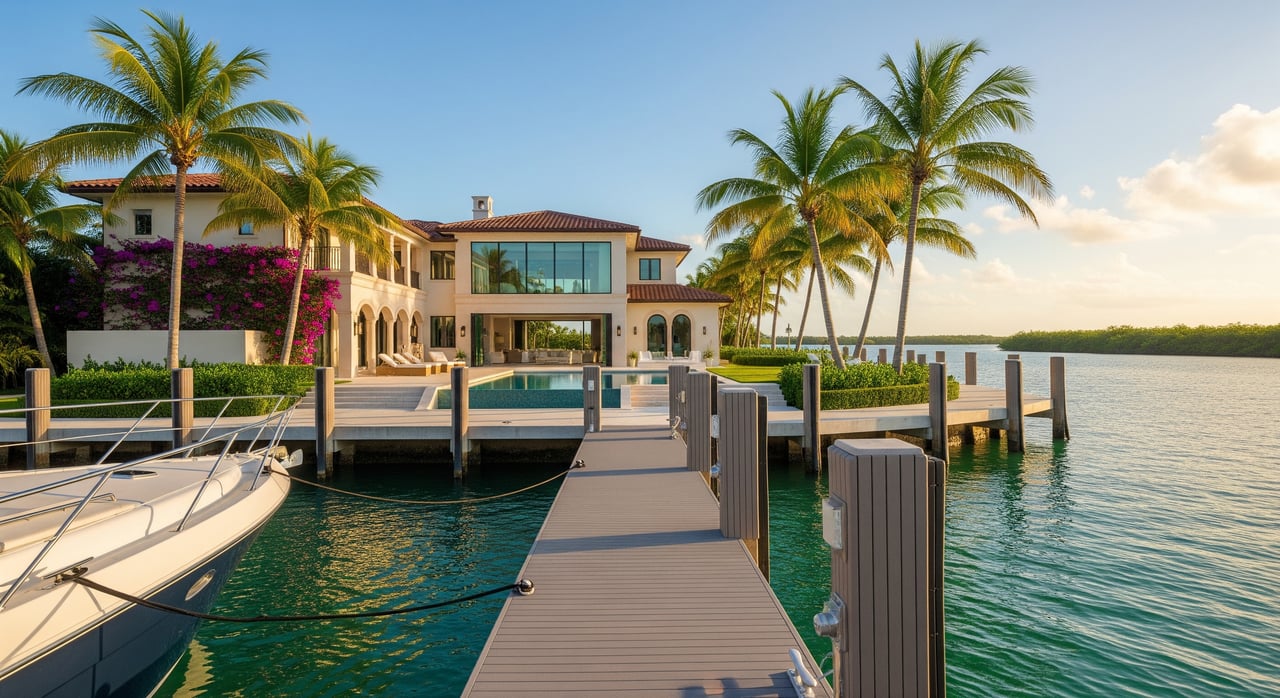
Experience the Manalapan Waterfront Lifestyle
February 5, 2026
February 5, 2026
Picture waking to the sound of waves or the soft ripple of the Intracoastal, grabbing coffee, and stepping into sunrise or a glassy morning on your dock. If you are weighing Manalapan against other Palm Beach barrier islands, you likely want real privacy, direct water access, and a low‑key daily rhythm. In this guide, you’ll learn how life differs on the oceanfront versus the Intracoastal, what daily routines and costs look like, and the practical steps to take before you buy. Let’s dive in.
Manalapan is a small, low‑density town at the southern end of the Palm Beach barrier island chain. The setting is simple and stunning: the Atlantic Ocean on one side and the Intracoastal Waterway on the other. Homes are mostly substantial single‑family properties, and the community has very little public commercial activity. Life here is private, residential, and centered on your property.
You reach the mainland by bridges across the barrier islands, and you’ll plan around seasonal traffic and occasional bridge delays. The town manages its own permitting and basic services while drawing on county infrastructure. This quieter, controlled environment is a core part of Manalapan’s appeal.
On the ocean side, your day can start with a sunrise walk, a jog on the sand, or a quiet moment on the terrace listening to the surf. The environment is dynamic. Wind, salt spray, and surf sounds are part of everyday life, especially in seasons with stronger onshore breezes. Many properties have private beach access, which adds to the feeling of seclusion.
Manalapan’s oceanfront is notably private compared with busier nearby towns. There are limited public access points within town limits, so you encounter fewer visitors and less noise. You will notice a calm residential atmosphere without the resort concessions or crowded promenades common in larger beach communities.
Direct ocean exposure means more maintenance. Salt air speeds up corrosion of hardware and railings, exterior paint needs more frequent attention, and wind‑driven sand can influence landscaping and outdoor living spaces. During storm season, oceanfront owners prepare for waves, wind, and potential beach erosion. Dune care and beach access can shift over time, and you may coordinate with contractors for restoration or stabilization work.
The oceanfront is subject to lighting and activity rules that protect sea turtles during nesting season. Expect restrictions on exterior lighting visible from the beach and guidance on nighttime beach use. If you plan renovations, you will work within coastal setbacks, high wind‑load codes, and environmental protections that influence timelines and design choices.
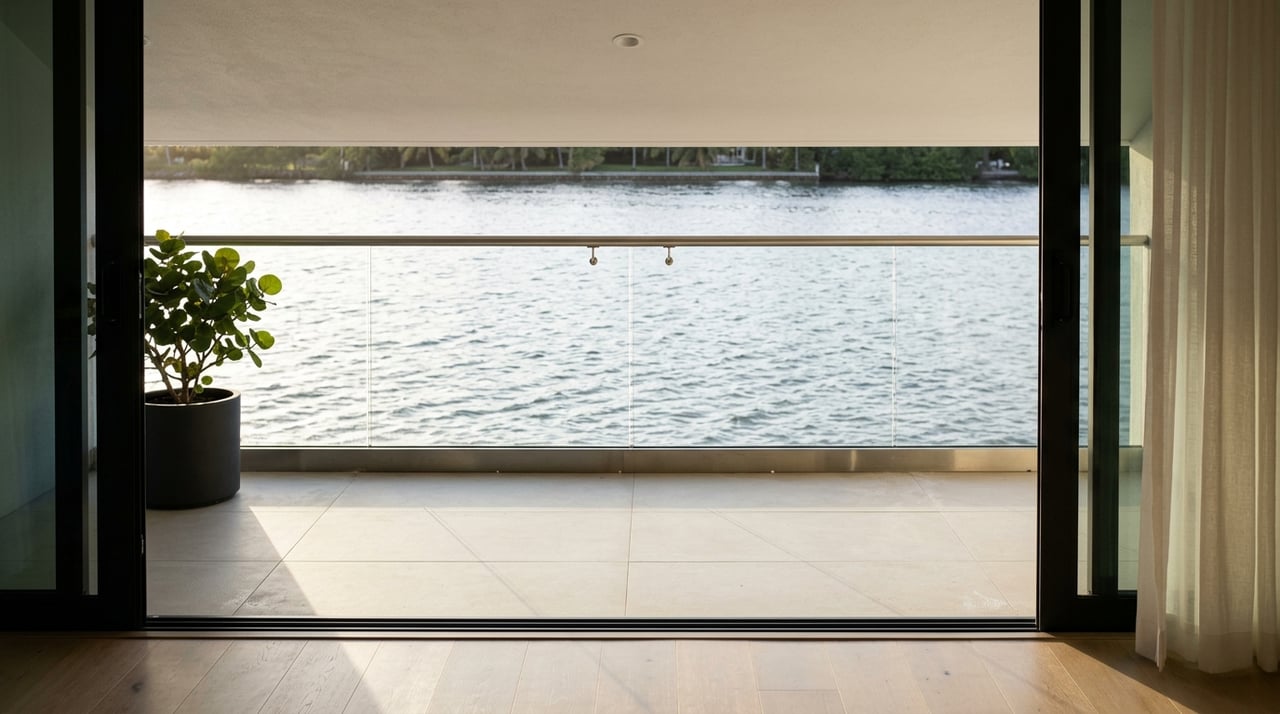
On the Intracoastal, daily life revolves around your dock. Many owners keep a boat or two on lifts for quick trips to fish, cruise, or visit nearby destinations. The protected water makes it easier to use smaller crafts like kayaks and stand‑up paddleboards on a regular basis. The soundscape is calmer, with soft water movement and seasonal boat traffic.
From Manalapan’s Intracoastal side, you can cruise to nearby inlets for offshore fishing and ocean days. Exact run times depend on your dock location, your vessel, and the inlet you choose. You are within a short cruise of regional marinas and fuel options, which keeps day trips simple to stage.
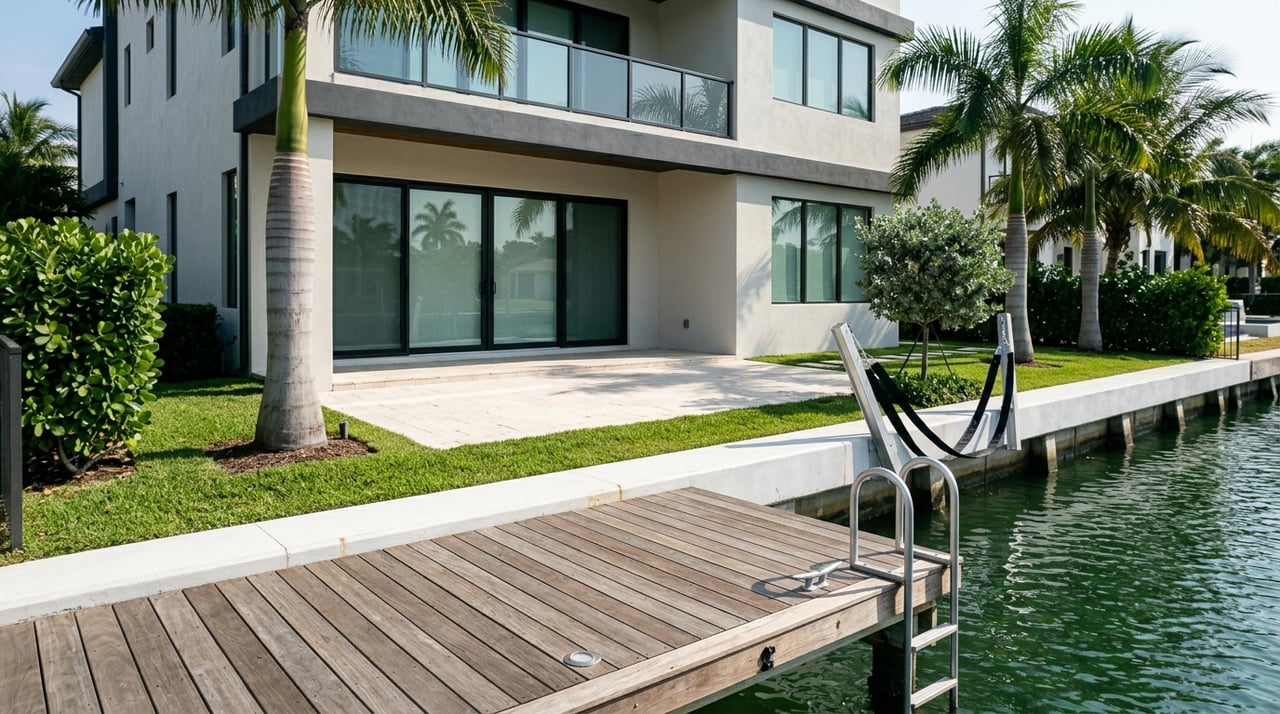
Docks are a major asset and a recurring line item. New builds and significant repairs require permits from the town and state, and sometimes federal agencies. Ongoing costs include lift maintenance, piling work, electrical service, and insurance. Many owners set a clear hurricane plan for their boats, whether that means lifting, hauling out, or relocating to sheltered dockage ahead of storms. If a property’s dock is older, you will want to verify dimensions, capacity, and any recorded easements before closing.
The Intracoastal lifestyle is boating‑centric and social in a low‑key way. You may spend evenings on the dock for sunset and mornings in calmer air without the surf’s white noise. The tradeoff is that you will see more passing boats, especially in season, and your horizon is the waterway rather than the open Atlantic.
Hurricane season runs June through November and shapes annual routines. You will secure outdoor furniture, test shutters or impact systems, and keep fuel and supplies on hand. Boat owners plan lift settings, haul‑out timing, or alternate dockage well before storms threaten. Long‑term owners treat storm prep as a calendar item and maintain vendor relationships for faster service.
Waterfront properties are typically in high‑flood zones, and most lenders require flood insurance. Windstorm and flood premiums vary by carrier, risk modeling, and elevation, so quotes are best obtained early in your search. Sea level and tidal flooding are long‑term planning factors that influence seawalls, drainage, and elevation certificates. It is wise to review recent elevation data and prior insurance history for any home you are considering.
Coastal upkeep is more frequent. Expect more regular exterior repainting, diligent HVAC servicing to manage humidity, and the use of marine‑grade metals and finishes. If the property includes a dock, lifts and electrical systems add recurring maintenance. You will also confirm whether the home is on municipal sewer or a private system and note local schedules for trash and recycling.
Manalapan has limited commercial services within town boundaries. Most errands, dining, medical care, and professional services are a short drive away in Palm Beach or West Palm Beach. In season, plan trips with bridge timing in mind to keep routines smooth.
Privacy and discretion are part of the culture. You will see gated entries, staff, and a focus on low‑profile routines. Social life often centers on private clubs, marinas, and institutions on nearby Palm Beach rather than public boardwalks or tourist areas.
Palm Beach offers more commercial corridors, museums, and well‑known private clubs. Manalapan feels smaller and more residential, with fewer public venues and fewer visitors in your immediate neighborhood. If you want a calm base with quick access to the broader scene, Manalapan fits that brief.
Singer Island includes more condos, public beaches, and vacation activity. Manalapan is lower density and primarily single‑family estates. You trade a resort atmosphere for privacy and a stronger emphasis on property‑level amenities.
Boca’s island neighborhoods provide varied public parks and a mix of housing. Manalapan leans toward estate living with limited public activation. If seclusion and property scale are priorities, Manalapan stands out.
Manalapan’s signature is privacy and control of your daily environment. You get either direct ocean drama or easy boating on protected water, with fewer public touchpoints around your home. That combination is rare across South Florida.
Use this quick list to streamline due diligence:
If you value privacy, direct water access, and a residential feel, Manalapan delivers a rare mix. Oceanfront life brings sunrise and surf with higher exposure and maintenance. Intracoastal life puts boating front and center with calmer water and dock considerations. In both cases, you get a quiet daily rhythm close to the amenities of Palm Beach and West Palm Beach.
You deserve clear, valuation‑led guidance as you compare properties, insurance scenarios, and dock capabilities. If you want a plan that covers lifestyle needs, risk, and resale, connect with a team that blends local insight with disciplined pricing analysis. For tailored advice and private showings across Manalapan and nearby coastal communities, reach out to The JM Phillips Group.
Stay up to date on the latest real estate trends.
Whether you're buying or selling, our expert team is here to guide you every step of the way.