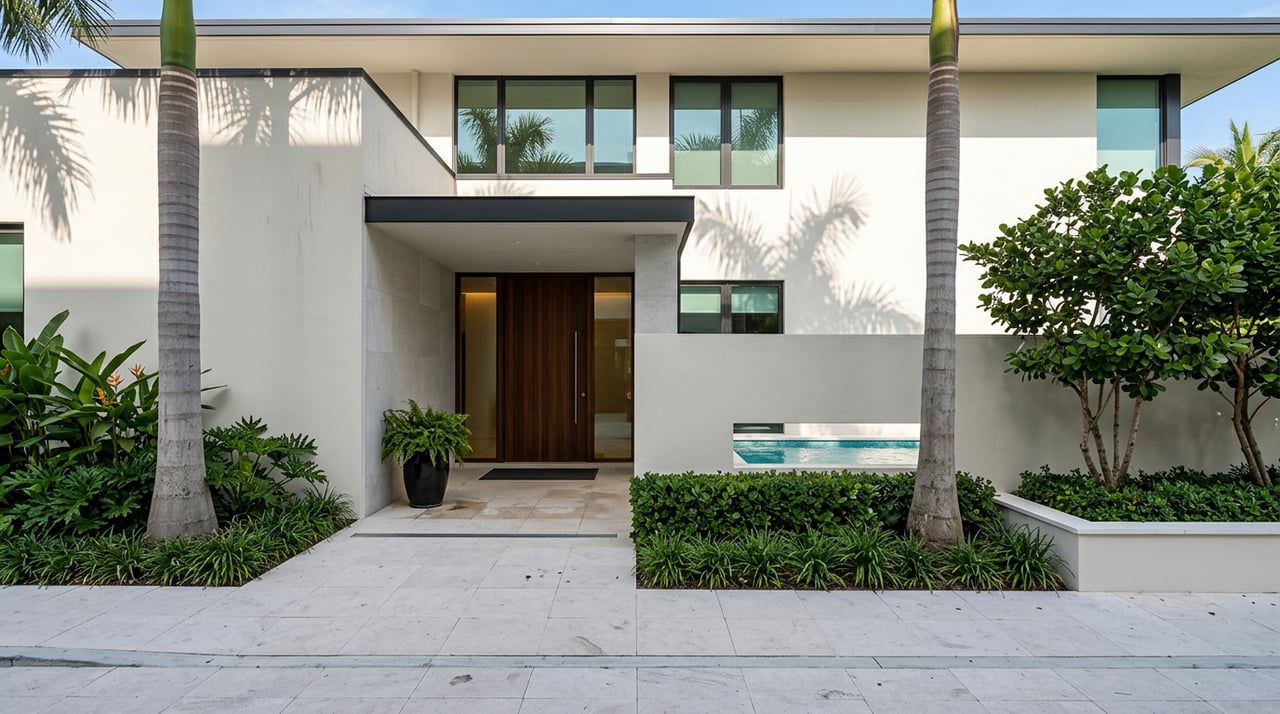
Choosing Delray Beach Atlantic Avenue vs Beach Living
March 5, 2026
March 5, 2026
Are you torn between the energy of Atlantic Avenue and the calm of the shoreline in Delray Beach? You are not alone. Many buyers love the idea of walking to dinner one night and waking to water views the next. This guide lays out the real differences so you can choose with confidence, from lifestyle and prices to insurance, inspections, and rental rules. Let’s dive in.
If you want built-in walkability, dining, and night energy, focus on Atlantic Avenue and the surrounding downtown grid. If you want water access, a quieter resort feel, and private outdoor living, look to the beach and the Intracoastal. Both are great. Your daily routine and budget decide which fit is better.
Atlantic Avenue is Delray’s downtown spine. You can stroll to restaurants, galleries, bars, and seasonal festivals, with frequent programming supported by the Downtown Development Authority. Many blocks are very walkable, and you can reach the municipal beach on foot from much of downtown. Explore current events and programs through the Downtown Development Authority to get a feel for the pace of life there.
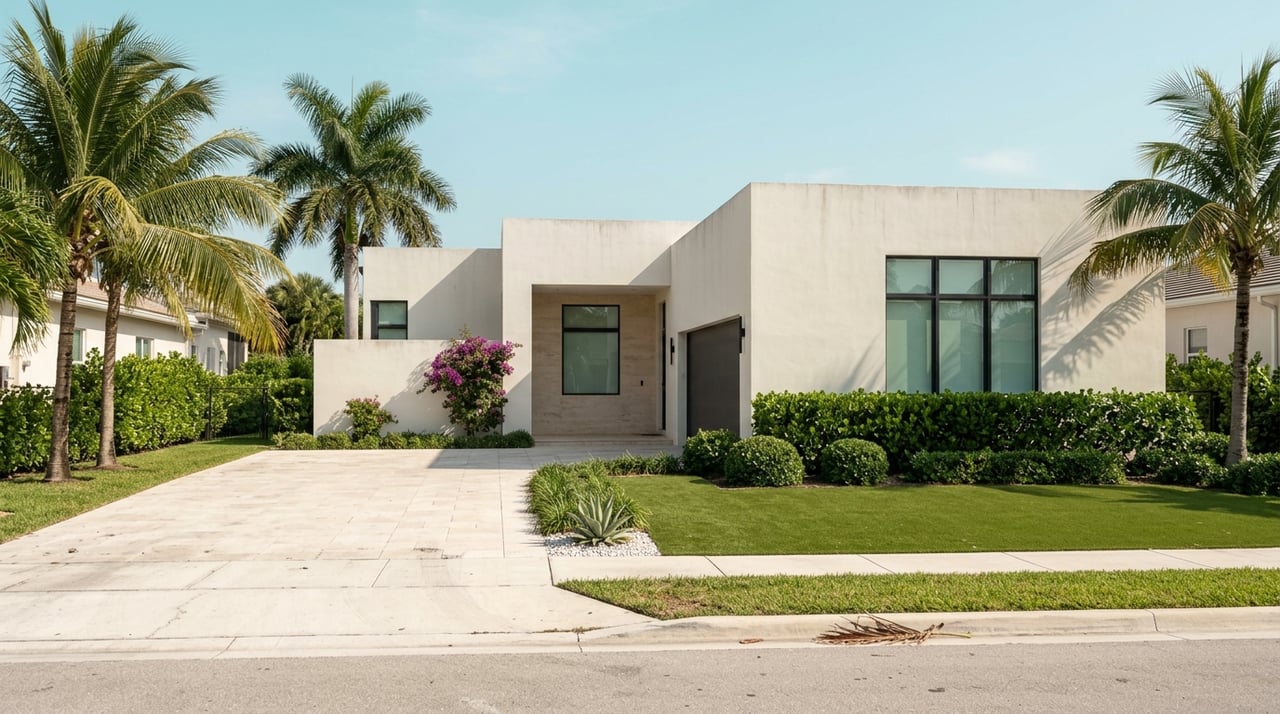
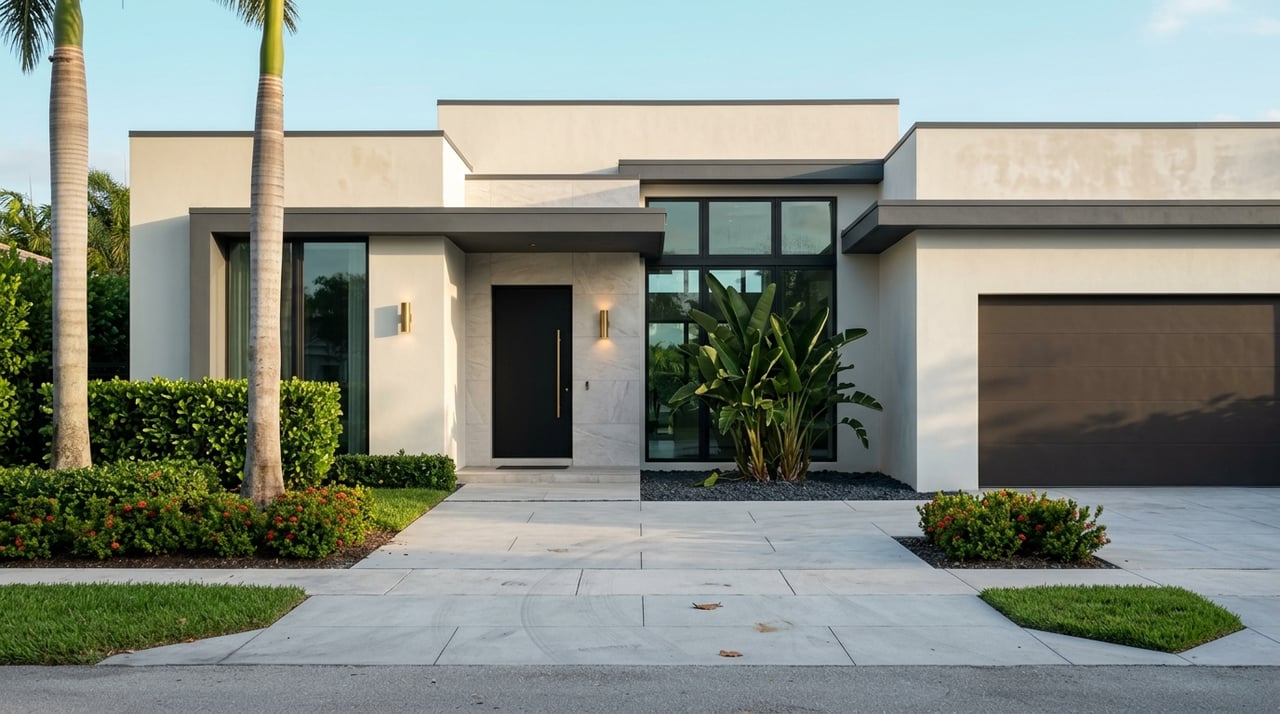
The housing mix near the Ave is varied. You will find historic bungalows and cottages, low-rise and boutique mid-rise condos, and gated townhome clusters. Pineapple Grove just north of Atlantic features galleries, creative retail, and loft-style condos that suit buyers who want a compact, low-maintenance setup.
Expect nightlife. Late-night foot traffic, live music, and festival activity are part of the appeal. If you are sensitive to noise, test the area on a weeknight and then on a weekend in peak season. Many buyers land one or two blocks off the Ave to balance access with quieter evenings.
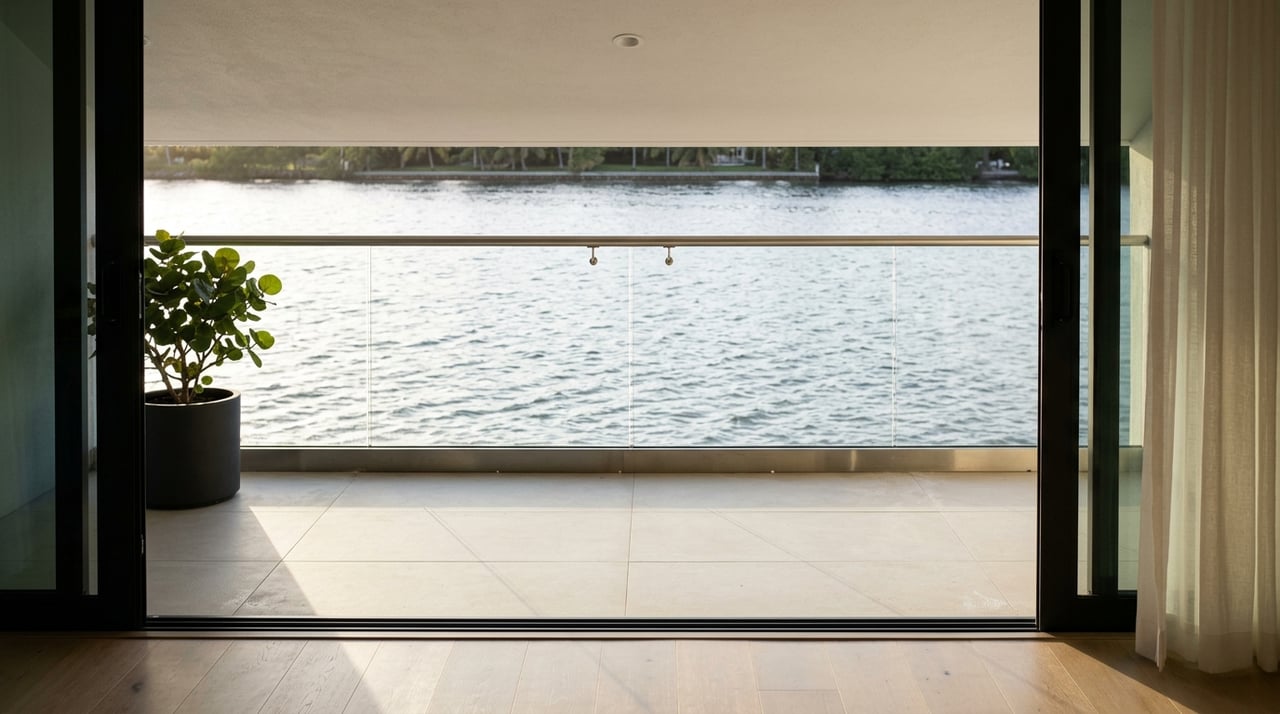
Shoreline and Intracoastal living reads as relaxing and refined. Mornings are quiet, views are the show, and private balconies or terraces create a resort feel. Many residents say it feels like being on vacation every day. You can get a sense of local waterfront life from coverage of Intracoastal cruises and community happenings in Delray Beach at The Coastal Star.
Boating access is a major draw. Intracoastal properties often include private docks or access to rentable slips. If that is on your wishlist, verify boat size limits, seawall condition, and any marina or dock permits before you buy. Local updates on seawalls and dock projects can help you understand maintenance timelines and requirements.
Buildings near the water range from oceanfront towers and mid-rises with coastal amenities to waterfront townhomes and single-family estates. These communities often have larger common-area budgets and stricter maintenance and insurance standards, which can raise monthly costs. Buyers trade those higher carrying costs for water, views, and privacy.
Prices move with the market, and exact numbers vary by block, building, and condition. Recent market snapshots have put the Delray Beach citywide median sale price around the mid-to-upper six figures, roughly 700,000 dollars, with the east-side zip code that covers beach and Intracoastal addresses often showing a much higher median than the downtown zip. Treat the ranges below as a helpful frame while you confirm current MLS data during your search.
HOA dues vary widely. Some small, older downtown buildings can run roughly 300 to 600 dollars per month, while amenity-rich oceanfront towers can climb to several hundred or even thousands per month. Always review the current HOA budget, reserves, and insurance certificates for any property you consider.
Flood zones matter. Many shoreline and Intracoastal parcels fall in FEMA Special Flood Hazard Areas, such as A zones or coastal V and VE zones. V zones carry different elevation and construction requirements and typically mean higher flood insurance costs. To understand the terminology and how zones work, review FEMA’s flood insurance glossary, then verify the specific flood zone for any address you are considering.
Palm Beach County and the City of Delray Beach participate in the National Flood Insurance Program’s Community Rating System. This can reduce NFIP premiums for some owners. You can see how the program works and what local credits look like on the county’s CRS page.
Homeowners insurance is also a bigger factor near the water. Coastal and Intracoastal properties usually carry higher wind and hurricane premiums. It is common for annual homeowners and wind policies in coastal Palm Beach County to run several thousand dollars, with flood insurance sold separately. A local insurance agent can provide realistic estimates, and you can use regional guides as a starting point to understand cost drivers in the area.
If you are buying a condo, add Florida’s milestone inspection law to your checklist. Buildings that are three stories or more must undergo structural inspections at set ages, with faster timelines within three miles of the coast. Ask for recent milestone reports, reserve studies, and any special assessment notices. You can read the statute for milestones and related reserve requirements to understand why this due diligence matters.
Finally, review HOA strength. Amenity-rich coastal buildings often have higher dues and stricter rules. Leaner downtown associations can be more affordable monthly but sometimes underfund reserves. Always request the HOA budget, meeting minutes, insurance certificates, and recent or pending assessments during your inspection period.
If you plan to offset costs with short-term rentals, get the rules straight before you buy. Florida requires a vacation rental license from the Department of Business and Professional Regulation for properties rented more than three times in a year for fewer than 30 days at a time. Review the state licensing guide and match your plan to the correct license type.
Locally, Delray Beach removed its landlord permit requirement effective October 1, 2023 due to state preemption. That change does not remove state licensing or tax obligations, and condo or HOA rules may still prohibit or limit short-term rentals. Check the City’s update on the landlord permit change, then confirm HOA bylaws and county tourist tax registration and remittance requirements before you assume rental income.
Choosing between Atlantic Avenue and the beach in Delray comes down to how you live and what you are willing to pay for that lifestyle. Our team pairs neighborhood-level insight with valuation and due diligence rigor so you can see the full picture before you commit. If you want a short walk to coffee, we will target the right blocks and buildings. If you want dockage and a terrace by the water, we will surface the properties with sound seawalls, healthy reserves, and realistic insurance costs.
Ready to compare options side by side, with real numbers and clear next steps? Connect with The JM Phillips Group to start your Delray search.
Stay up to date on the latest real estate trends.

Whether you're buying or selling, our expert team is here to guide you every step of the way.