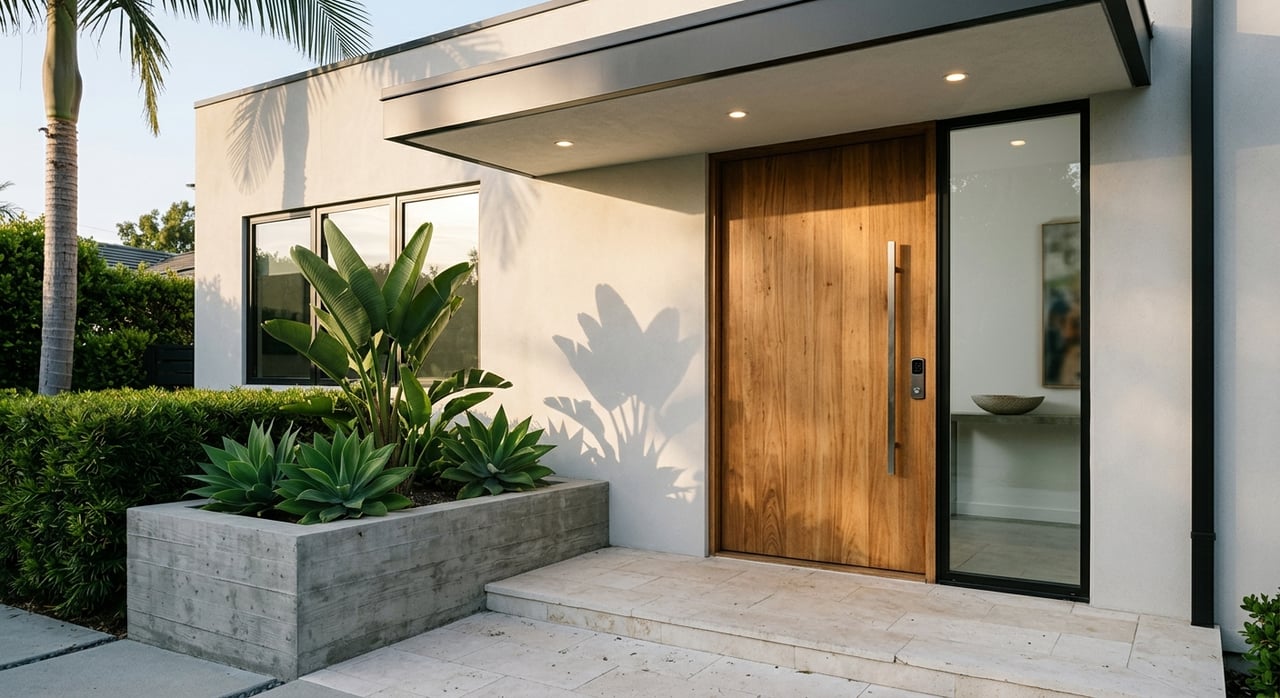
Ocean Ridge Second-Home Buying Guide For Seasonal Owners
May 21, 2026
May 21, 2026
Buying a second home in Ocean Ridge can sound simple until you start weighing storm prep, insurance, association rules, and how much hands-on care the property will need when you are away. If you are looking for a seasonal place that feels private and easy to enjoy, Ocean Ridge stands out for exactly that reason. This guide will help you think through the ownership details that matter most, so you can buy with more clarity and fewer surprises. Let’s dive in.
Ocean Ridge is a small barrier-island town in southern Palm Beach County, located entirely between the Atlantic Ocean and the Intracoastal Waterway. According to the town’s comprehensive plan, it is mostly residential, substantially built out, and has very little commercial development. Commercial and industrial uses have been prohibited, which helps preserve a quiet, low-intensity setting.
For you as a seasonal owner, that layout creates a very specific lifestyle tradeoff. You may get more privacy and a more residential feel, but you should not expect a walkable retail-heavy environment. In practical terms, Ocean Ridge often works best for buyers who value calm surroundings and are comfortable planning ahead for services and day-to-day convenience.
Not every second home in Ocean Ridge will function the same way, even if the price points look similar. The ownership structure can affect your maintenance load, your rental options, and how much control you have over the property. Before you focus on finishes or views, make sure you understand what type of property you are actually buying.
A single-family home can offer more privacy, more direct control, and fewer shared decisions. That can be appealing if you want flexibility over how you use the home and how you maintain it. At the same time, a house usually brings more responsibility for landscaping, exterior upkeep, storm prep, and vendor management.
A condo can be attractive if you want more of a lock-and-leave setup. In many cases, associations manage common areas and some exterior responsibilities, which may reduce your day-to-day upkeep. Still, condo ownership in Florida requires careful document review because budgets, reserves, inspections, and association rules can directly affect your costs and use of the unit.
Florida regulates condos under Chapter 718, homeowners’ associations under Chapter 720, and residential cooperatives under Chapter 719. Those legal structures are not interchangeable. They can differ in approval requirements, maintenance duties, leasing restrictions, and the way assessments are handled.
If you are buying a condo, co-op, or property in an HOA, the governing documents deserve early attention. Those documents can control leasing, guest use, exterior changes, pet policies, maintenance obligations, and approval timelines. For a second-home buyer, these details matter because they shape how easy the property will be to use, secure, or rent.
A strong due-diligence package should include:
This review is especially important in a seasonal market. A property that looks easy to own from the outside may come with restrictions or future costs that change the ownership picture.
If you are considering a condo or co-op in a building with three habitable stories or more, Florida’s current building-safety rules should be part of your review. Milestone inspections are required at 30 years of age and every 10 years after that. The Florida DBPR also states that structural inspection reports and reserve studies are part of the association’s official records and must be made available to prospective purchasers.
That matters because a building’s inspection history and reserve planning can affect both your immediate costs and your long-term confidence in the asset. The DBPR says a structural integrity reserve study is intended to help ensure funds are set aside for future major repairs and structural replacements. For a seasonal buyer, this is not just paperwork. It is a key part of understanding risk, future assessments, and overall building health.
Ocean Ridge’s barrier-island location makes flood and wind planning a core part of ownership. FEMA identifies its Flood Map Service Center as the official source for flood hazard mapping products. The Florida Department of Financial Services says flood insurance is typically separate from standard homeowners coverage and may be purchased as a stand-alone policy or as an endorsement.
You should also be ready for hurricane deductibles. Florida DFS notes that many policies include a hurricane deductible of 2% to 5% of the home’s insured value. If you are financing the purchase, your lender may also require flood insurance depending on the property and loan terms.
If you buy a condo, do not assume the association’s master policy covers everything inside your unit. Florida DFS says a condo unit-owner policy, commonly called an HO-6 policy, is designed to cover personal property, liability, and certain interior items that the association policy does not insure. Before closing, it is smart to compare the association’s master coverage with the protection you would need individually.
Your purchase price is only the starting point for second-home ownership in Ocean Ridge. Barrier-island properties can bring ongoing costs tied to insurance, reserves, maintenance, storm readiness, and service coordination. These costs are not necessarily a reason to avoid the market, but they should be built into your decision from the beginning.
For many seasonal owners, a realistic annual budget should account for:
Because Ocean Ridge is mostly residential and lightly commercial, many seasonal owners rely on off-site vendors rather than nearby walk-in service options. That makes a strong service plan especially important if you will be away for long stretches.
If you are buying a seasonal property, do not assume it will qualify for the same tax treatment as a primary residence. Palm Beach County states that the homestead exemption applies only when the property is your permanent residence as of January 1. A true second home generally does not qualify.
That distinction matters when you estimate your ongoing carrying costs. If you are comparing Ocean Ridge with another ownership scenario, make sure you are using a realistic tax picture rather than primary-residence assumptions.
Some second-home buyers want only personal use, while others want the option to rent the property part of the year. If rental flexibility matters to you, confirm the rules before you go under contract. In Ocean Ridge, rental use can be shaped by town requirements, county tax rules, and association restrictions.
The town has a rental-registration rule for leases of residential property in zoning districts not governed by a cooperative or condominium association or otherwise exempt. The code defines rental property to include single-family, duplex, triplex, and multifamily dwellings. Even if a town registration rule does not apply to your specific property, an association’s leasing restrictions and approval process may still control how and when you can rent.
Palm Beach County requires Tourist Development Tax on short-term rentals of six months or less, along with state sales tax. The county says owners must register a Tourist Development Tax account, obtain a short-term rental local business tax receipt, file monthly returns, and collect and remit the tax even when a manager or online platform is involved. The county also states that online platforms do not remit the tax for the owner.
If rental income is part of your plan, this is an area where details matter. A property is only as flexible as the documents and local rules that govern it.
A seasonal home should be enjoyable when you are in town and manageable when you are not. In Ocean Ridge, the best lock-and-leave features are usually the ones that reduce emergency trips, routine site visits, and storm-related stress. That makes practical design and maintenance features just as important as aesthetics.
Helpful features to prioritize include:
When you compare properties, ask yourself a simple question: how much work will this home create when I am away? The answer can shape your ownership experience more than a beautiful kitchen or an extra guest room.
Even the most turnkey second home usually needs people you trust on the ground. In a built-out, lightly commercial barrier-island town like Ocean Ridge, seasonal owners commonly depend on outside vendors to keep things running smoothly. The more time you spend away from the property, the more important those relationships become.
A typical vendor bench may include:
For many buyers, this is where local guidance becomes valuable. It is one thing to find a property that fits your budget and goals. It is another to buy a property that fits the way you actually plan to live and manage it.
Ocean Ridge can be an excellent fit if you want a quiet seasonal retreat in a mostly residential barrier-island setting. The key is to match the property type, ownership structure, insurance profile, and maintenance demands to the way you plan to use the home. A well-chosen second home should feel relaxing, not operationally heavy.
If you are weighing condos versus single-family homes, comparing lock-and-leave options, or reviewing rental flexibility, a valuation-driven and detail-focused buying process can make a real difference. Working through the documents, recurring costs, and ownership logistics up front helps you protect both your lifestyle and your long-term value. If you are exploring Ocean Ridge for a seasonal purchase, The JM Phillips Group can help you evaluate the options with clear local insight and practical guidance.
Stay up to date on the latest real estate trends.
Whether you're buying or selling, our expert team is here to guide you every step of the way.