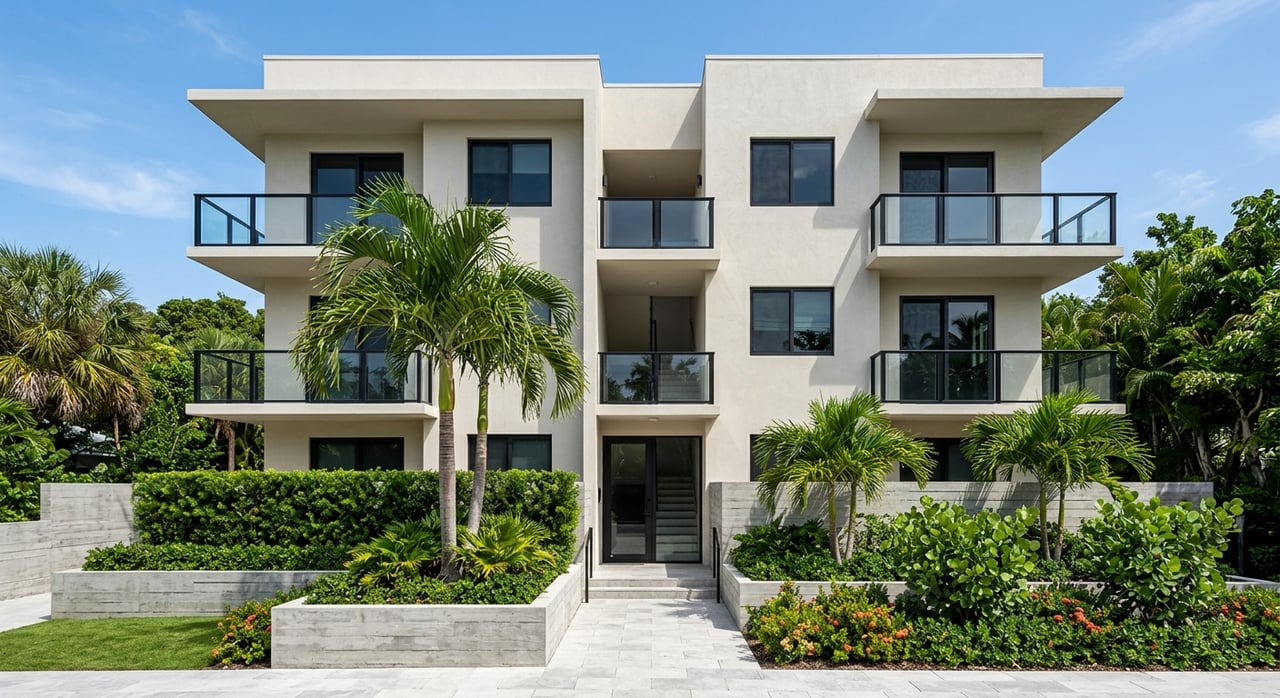
Waterfront vs Inland Investments In Fort Lauderdale
May 28, 2026
May 28, 2026
Trying to choose between a waterfront property and an inland one in Fort Lauderdale? That decision can shape your budget, cash flow, risk, and long-term upside more than almost anything else. If you are investing in this market, you need more than a broad “water beats inland” headline. You need a local, numbers-based view of how pricing, rent, insurance, taxes, and resale dynamics actually differ. Let’s dive in.
Fort Lauderdale is not a one-note market. The city has 165 miles of inland waterways and a broad economic base tied to marine activity, manufacturing, finance, insurance, real estate, technology, and aviation-related business. Its location near beaches, Port Everglades, and Fort Lauderdale-Hollywood International Airport helps support demand from both lifestyle buyers and more price-conscious investors.
Recent market snapshots point to a market where buyers have choices. Redfin reported a March 2026 median sale price of $577,500 and a 102-day median market time, while Realtor.com showed a May 2026 median list price of $625,000, a median sold price of $569,000, a 90-day market time, and a 95% sale-to-list ratio. Realtor.com also described Fort Lauderdale as a buyer’s market, which matters if you are weighing negotiation room between waterfront and inland options.
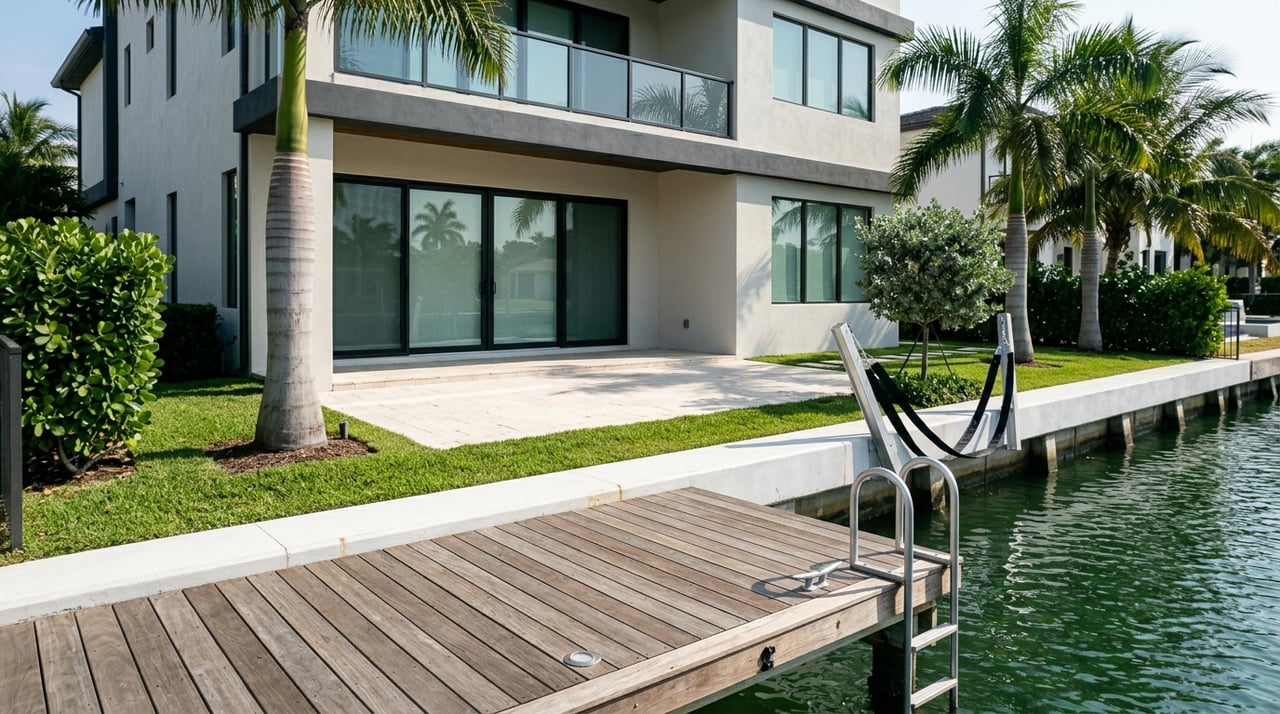
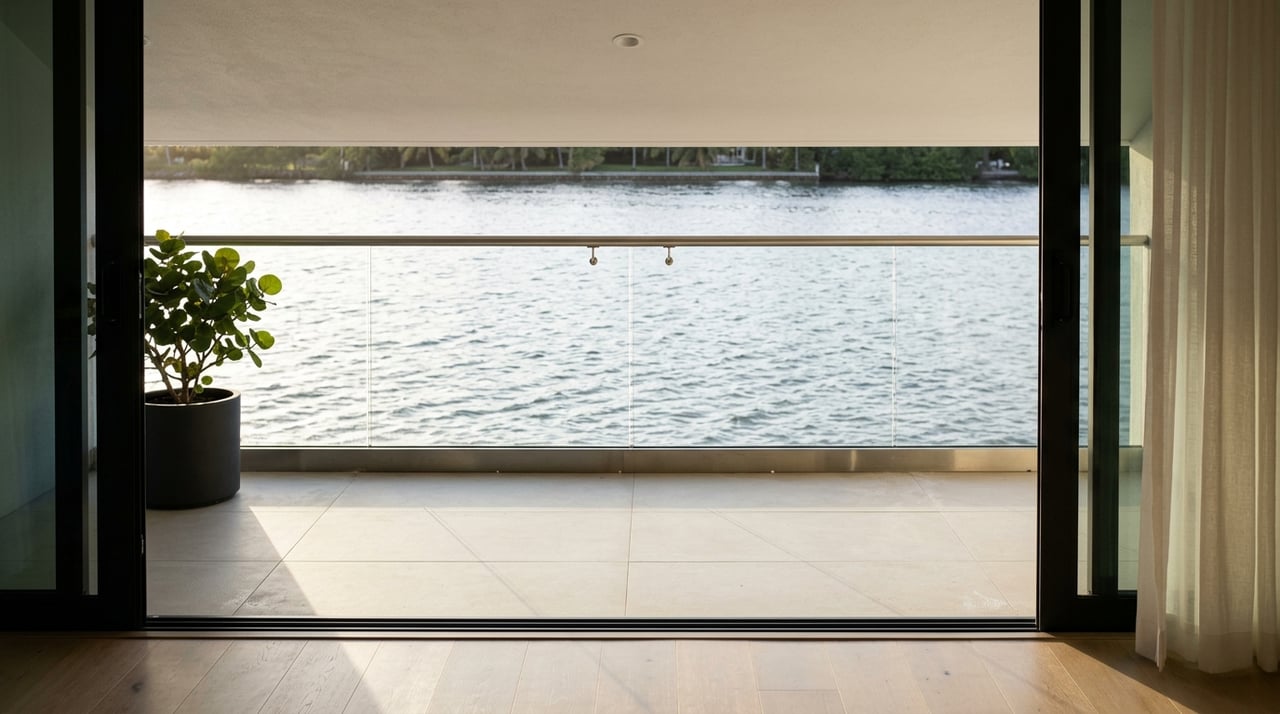
Waterfront real estate in Fort Lauderdale often attracts investors for one main reason: scarcity. Buyers are not just paying for square footage. They are paying for water access, boating lifestyle, views, and a location tied closely to the city’s identity.
That premium can be dramatic in the right areas. In Q1 2026, Florida Realtors MLS-based data showed single-family median sale prices of $2.7375 million in 33316, $1.2821 million in 33305, and $932,500 in 33308. Those figures sit far above several inland ZIP codes, which helps explain why waterfront purchases are often more appreciation-focused than cash-flow-focused.
Fort Lauderdale’s appeal is closely tied to its beaches, canals, Water Taxi routes, boating culture, and the Las Olas and Riverwalk lifestyle. The city also promotes its identity as a major yachting destination. For investors, that creates a strong end-user demand story when you eventually resell.
Still, not all waterfront is the same. Oceanfront condos, Intracoastal units, canal-front homes, and large estate properties can perform very differently. A broad waterfront search may show a median listing price of $659,000, but address-level value depends heavily on the type of water access and the property category.
Higher upside often comes with higher friction. Many waterfront or near-water properties are in or near Special Flood Hazard Areas, and the City of Fort Lauderdale directs buyers to FEMA maps, coastal high-hazard areas, and flood-depth information. If you are financing with a government-backed loan in a Special Flood Hazard Area, flood insurance is generally required.
Insurance costs are another major underwriting factor. The Florida Office of Insurance Regulation reports average homeowners premiums in Broward County of $6,220 including wind coverage, and $1,856 for condo unit owners including wind coverage. Your actual premium will depend on the property, coverage terms, deductibles, and value, but these averages show why coastal deals need careful review before you rely on a rough online estimate.
For condos, there is another layer to check. In Florida, 3-story-and-higher condo buildings must have a structural integrity reserve study at least every 10 years, and milestone inspections are a separate requirement. If you are looking at a waterfront condo, reserve status, inspection history, and future assessments deserve close attention.
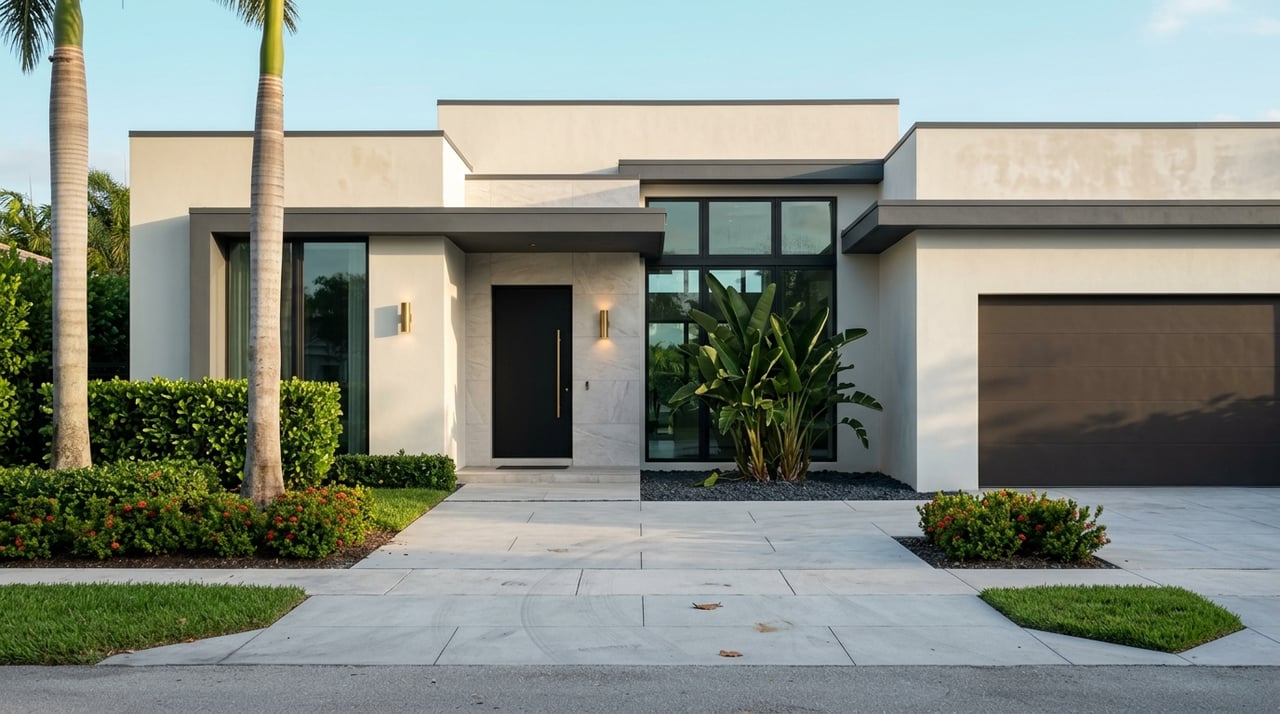
Inland investments usually appeal to buyers who want a lower entry price and a more straightforward rental story. You may not get the same water-driven prestige or scarcity, but you can often access the market at a much lower basis. For many investors, that matters more than having a premium address.
The Q1 2026 data shows the gap clearly. Single-family median sale prices were $419,000 in 33311, $375,000 in 33321, $500,000 in 33322, and $605,000 in 33317. On the condo and townhome side, medians were $209,000 in 33311 and $350,000 in 33312, which gives investors more options at lower price points.
Fort Lauderdale’s rent profile helps support the inland case. Realtor.com reported a city median rent of $2,700 per month, while Apartments.com showed average advertised rents of $2,293 for apartments, $3,431 for condos, and $7,264 for houses. Those rent levels do not automatically make every inland deal a winner, but they help explain why lower-basis properties can pencil more easily.
Inland properties often compete on affordability, commute convenience, parking, and usable outdoor space rather than direct water access. That can make them easier to position for long-term tenants or buyers who are focused on function first. In many cases, the path to better monthly performance starts with a lower acquisition cost.
If you strip the decision down to its essentials, waterfront in Fort Lauderdale is usually a scarcity and lifestyle play, while inland is usually an entry-price and cash-flow play. That does not mean every waterfront property is a poor income investment or every inland property is a strong one. It means the market tends to reward each category differently.
Here is a simple comparison:
| Factor | Waterfront | Inland |
|---|---|---|
| Typical entry price | Higher | Lower |
| Buyer appeal | Lifestyle, views, boating, scarcity | Affordability, convenience, practical use |
| Cash flow potential | Often tighter at purchase | Often easier to underwrite |
| Appreciation story | Often stronger if water access is meaningful | More dependent on basis and neighborhood trends |
| Insurance and flood complexity | Usually higher | Often lower, but still property-specific |
| Condo risk review | Especially important | Still important |
That framework can help you decide where to focus your search, but it should not replace property-level analysis. In Fort Lauderdale, the difference between a smart waterfront buy and an overpriced one can be just a few blocks, a different flood zone, or a stricter condo rule set.
Purchase price is only the starting point. In this market, recurring costs can change your returns quickly, especially on the water. That is why a valuation-led approach matters so much.
Fort Lauderdale says the 2026 city millage rate is 4.1193, and Broward County’s FY26 countywide millage is 5.6658. The city explains that property taxes are based on taxable value times millage, plus non-ad valorem assessments. If you are buying as an investor, Broward’s Property Appraiser notes that homestead relief applies to a primary residence, so investment property generally carries the full tax burden.
Insurance deserves its own underwriting line item in Fort Lauderdale. Wind coverage, flood exposure, and building characteristics can all affect your total cost. A property that looks attractive on price alone may feel very different once you plug in realistic annual insurance numbers.
Condo inventory also requires extra caution right now. Fort Lauderdale’s Q1 2026 MLS reports showed about 6.9 months of supply for single-family homes citywide, compared with 11.6 months for condos and townhomes. That higher supply can create opportunity, but it also means you should review reserves, assessments, building condition, and lease restrictions very carefully.
Some investors look at waterfront homes or condos and immediately think about vacation-rental income. In Fort Lauderdale, that strategy is not automatic. The city’s vacation-rental program requires state and county licensing before city registration, and the city also enforces minimum housing and life-safety standards.
That means you should verify whether short-term rentals are allowed before you buy, not after. HOA rules, condo bylaws, lease restrictions, and local registration requirements can all shape what is actually possible. This is one of the biggest reasons broad market averages should never replace address-specific due diligence.
Before you choose a lane, compare properties using the same checklist. That helps you avoid getting pulled too far by emotion, especially with waterfront listings that may carry a strong lifestyle premium.
These questions matter for both waterfront and inland properties, but they often carry more weight on the waterfront because the starting price is already higher. A great-looking deal can change quickly once those details come into view.
If your priority is long-term scarcity, strong lifestyle appeal, and the possibility of premium resale demand, waterfront may be the better fit. If your priority is lower entry cost, easier income underwriting, and more flexibility across price points, inland may give you a cleaner path. Neither is universally better. The right answer depends on your budget, risk tolerance, hold period, and return goals.
In Fort Lauderdale, the smartest investors usually avoid sweeping assumptions. They compare waterfront to waterfront, inland to inland, and condos to condos, then evaluate each property through the lens of real carrying costs and realistic exit potential. That is where local valuation discipline can make a real difference.
If you want help comparing Fort Lauderdale waterfront and inland opportunities with a local, valuation-first perspective, The JM Phillips Group can help you sort through the numbers, the trade-offs, and the market context so you can invest with more confidence.
Stay up to date on the latest real estate trends.


Whether you're buying or selling, our expert team is here to guide you every step of the way.