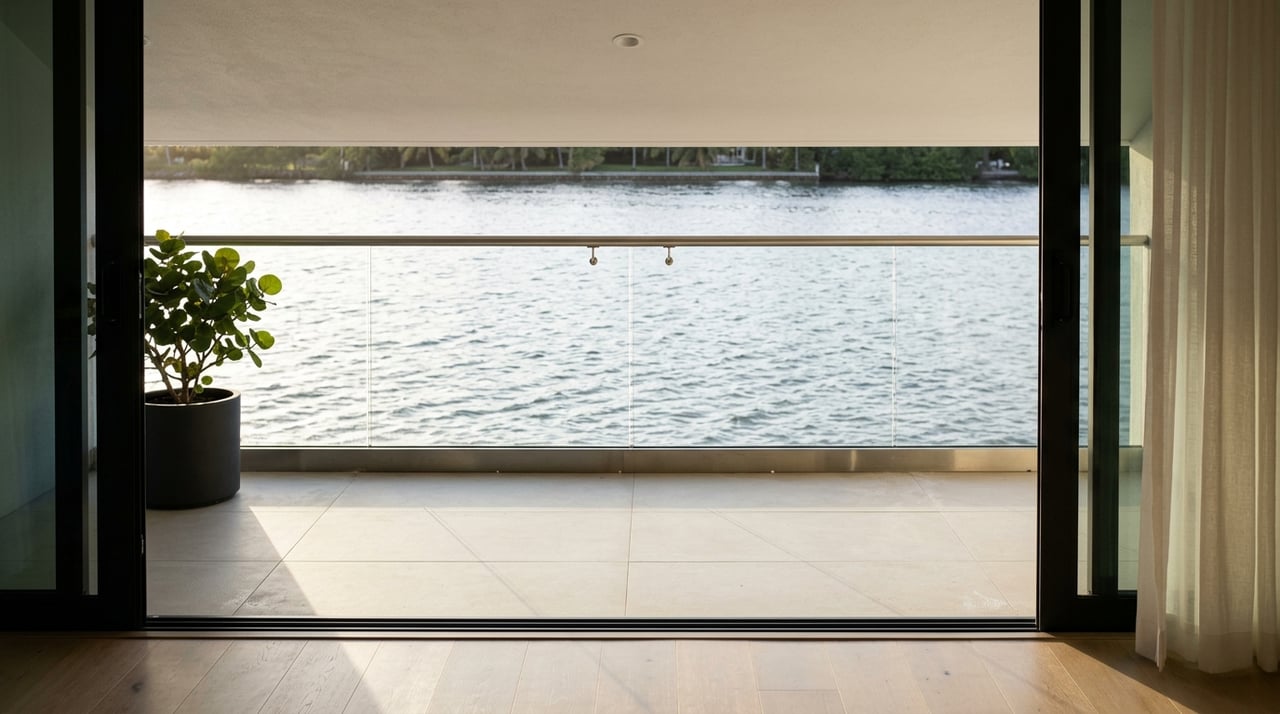
Choosing Between Oceanfront And Intracoastal In Hillsboro Beach
June 11, 2026
June 11, 2026
Wondering whether the ocean side or the Intracoastal side is the better fit in Hillsboro Beach? In a town this small, that choice can shape how you use the property, what improvements may be possible, and even how you evaluate long-term ownership. If you are comparing lifestyle, boating access, condo questions, and resale considerations, this guide will help you focus on what matters most. Let’s dive in.
Hillsboro Beach is not a large market where one block feels interchangeable with the next. The town is a narrow peninsula between the Atlantic Ocean and the Intracoastal Waterway, about 3 miles long and roughly 900 feet wide at its widest point. It has one north-south road, is almost entirely residential, and includes about 50 single-family homes, with most residents living in condominiums.
That setup makes the oceanfront versus Intracoastal decision more important than in many other coastal areas. You are not just choosing a view. You are choosing between two very different ownership experiences in a town with limited inventory, very little commercial property, and a housing mix that leans heavily toward condos.
Oceanfront property in Hillsboro Beach is all about direct Atlantic exposure. For many buyers, the draw is simple: open water views, immediate beach access, and a stronger connection to the shoreline. If your ideal day starts with a sunrise and ends with the sound of the surf, the ocean side can be hard to beat.
That appeal comes with a specific set of practical considerations. The town notes that shoreline erosion is influenced by wind, waves, currents, sea-level rise, and reduced sand supply. In response, Hillsboro Beach and Broward County describe active beach nourishment and shoreline protection efforts, including county work in the segment that includes Hillsboro Beach.
Oceanfront ownership often involves more coastal regulation than buyers expect. For remodels and site work, the town’s review checklist states that no docks or piers are permitted along the Atlantic Ocean. It also notes that work east of the coastal construction control line requires Florida Department of Environmental Protection permit plans.
That means your property may offer unmatched beach access, but it will not offer the same dockage flexibility you might find on the Intracoastal side. If you are buying with a boating-first mindset, this is one of the clearest distinctions between the two options.
Oceanfront tends to make the most sense if you value:
In Hillsboro Beach, many oceanfront buyers will likely be looking at condominium options rather than detached homes. Since the town is mostly condos, building quality, association governance, and financial health can be just as important as the unit itself.
If your version of waterfront living includes a boat, a lift, or quick navigation planning, the Intracoastal side may be the better fit. The town states that Hillsboro Inlet provides safe navigational passage between the Intracoastal Waterway and the Atlantic Ocean. It also notes there is a marina with charter boats within the inlet.
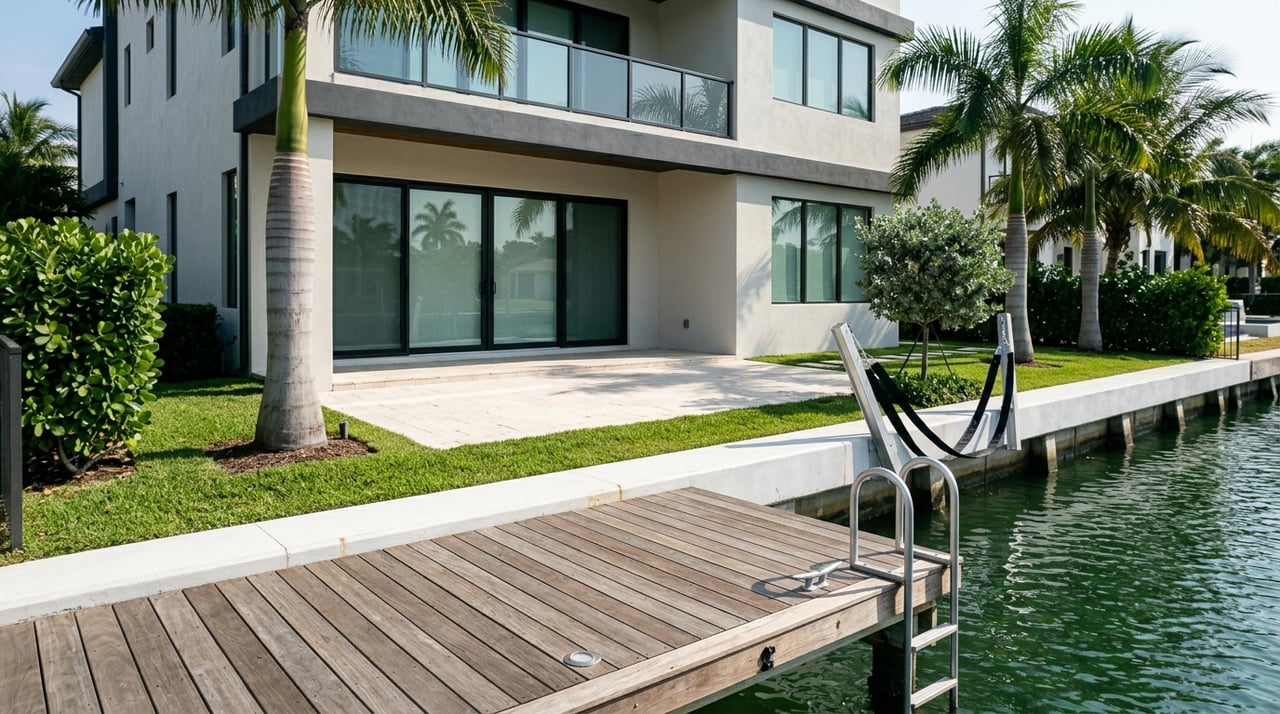
For buyers who want boating utility, the Intracoastal side usually offers a more functional setup. The town’s site-plan checklist allows docks, boat davits, and piers along the Intracoastal Waterway, subject to Broward County and Army Corps approvals.
Boating access does not mean unlimited freedom to build or navigate without constraints. Dock work may be possible on the Intracoastal side, but approvals are required. Florida law also authorizes boating-restricted areas for safety and congestion management, and the town’s drawbridge information shows that the Hillsboro Inlet Bridge opens on signal, with scheduled openings during daytime hours.
So while the Intracoastal side can be ideal for active boaters, it helps to think beyond the word “waterfront.” You will want to evaluate dock potential, approval pathways, bridge timing, and how often you expect to go in and out through the inlet.
Intracoastal property often works best if you prioritize:
The town’s planning documents say the western shoreline of the Intracoastal is predominantly single-family residential, while land near Hillsboro Inlet includes multifamily residential. That gives some buyers a broader range of property types, especially if they are hoping to compare detached homes with association-governed options.
| Priority | Oceanfront | Intracoastal |
|---|---|---|
| Primary lifestyle draw | Beach access and Atlantic views | Boating access and dock utility |
| Docks or piers | Not permitted on the ocean side | Possible with approvals |
| Regulatory focus | Coastal construction and dune-related review | Marine improvements and waterway approvals |
| Typical appeal | Buyers focused on sand, surf, and views | Buyers focused on boating and navigation |
| Common housing mix | Often condo-oriented | More likely to include single-family waterfront options |
In Hillsboro Beach, development and renovation are tightly regulated. The town requires permits for all development and ties approvals to minimum flood-zone finish-floor elevations. It also states that rebuilds with repair costs exceeding 50 percent of market value must comply with current flood plain, zoning, and building standards.
This matters whether you buy oceanfront or Intracoastal, but the impact can differ by location. Oceanfront properties may face added review related to dune crossings and coastal construction control line requirements. Intracoastal properties may present more opportunity for dock-related improvements, but that does not remove the need for county and federal approvals where applicable.
If you are buying with renovation plans, it is smart to treat permitting as part of your initial property analysis, not something to sort out after closing. In a small and highly regulated town like Hillsboro Beach, feasibility can affect both enjoyment and future value.
Because Hillsboro Beach is condo-heavy, many buyers will be choosing between buildings as much as between east and west sides of A1A. That is especially important under current Florida condominium requirements.
According to the Florida Department of Business and Professional Regulation, residential condominium associations with buildings that are three or more habitable stories must complete milestone inspections at age 30 and every 10 years after that. They must also complete a structural integrity reserve study every 10 years after creation. Single-family homes and other low-rise dwellings with three or fewer habitable stories are exempt from milestone inspections.
For many associations, reserve requirements have also become more important in budgeting. The DBPR states that for many associations, structural integrity reserve study reserves can no longer be waived on budgets adopted on or after January 1, 2025. In some cases, funding shortfalls may lead to special assessments or loans.
If you are considering a condominium in Hillsboro Beach, ask for:
Florida sales contracts now include disclosure language tied to milestone inspections and reserve studies. Buyers can request the current report package and extend closing after receipt. In practice, that makes document review a key part of comparing one building to another.
It is easy to assume oceanfront will always win on resale because the views are more dramatic. In Hillsboro Beach, the picture is more nuanced. Resale can be influenced by building quality, reserve funding, assessment history, flood information, permit history, and for Intracoastal properties, the usefulness of the dock setup.
Oceanfront homes and condos may attract buyers who want the strongest beach connection, but they also come with more exposure to shoreline conditions and coastal permitting issues. Intracoastal properties may appeal to a more specific buyer pool, yet they can be especially compelling when dockage, lift potential, and inlet access are central to the purchase.
The best long-term fit often comes down to alignment. A property tends to hold its appeal more effectively when the features you are paying for match the lifestyle you actually plan to use.
If you are deciding between oceanfront and Intracoastal in Hillsboro Beach, start with your real priorities instead of the postcard image.
Choose oceanfront if you want your daily experience to revolve around the beach, open views, and a true shoreline setting. Choose Intracoastal if boating function, dock potential, and water access logistics matter more than direct sand access.
Then pressure-test the property with a few practical questions:
In a market as small and specialized as Hillsboro Beach, good decisions usually come from matching the property type, regulations, and ownership costs to your lifestyle goals. That is where local context and careful valuation work can make a real difference.
If you are weighing an oceanfront condo against an Intracoastal home, or trying to compare two very different waterfront ownership models, working with a team that understands both lifestyle fit and property-level risk can save you time and costly mistakes. The JM Phillips Group helps buyers and sellers across coastal Broward and Palm Beach County make confident, data-informed real estate decisions with clear guidance from search to closing.
Stay up to date on the latest real estate trends.
Whether you're buying or selling, our expert team is here to guide you every step of the way.