
Dock, Seawall and Mangrove Rules on the Lagoon
November 6, 2025
November 6, 2025
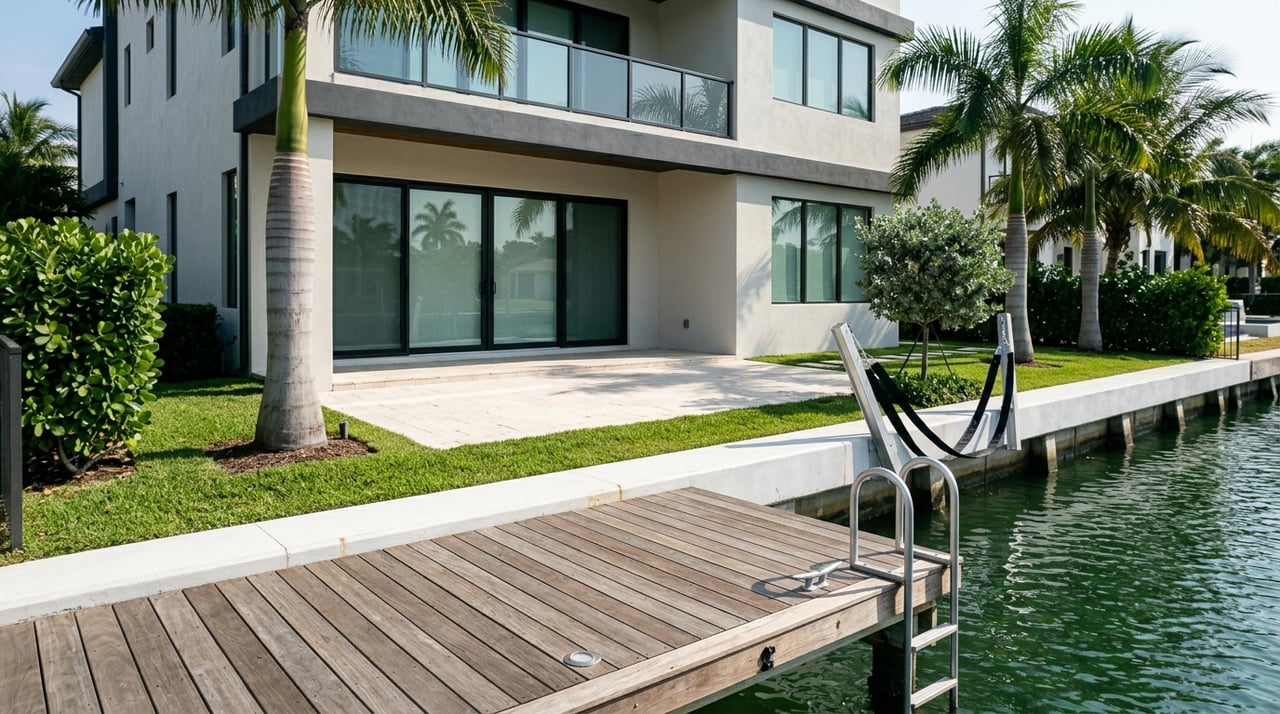
Thinking about adding a dock, replacing a seawall, or trimming mangroves on the Manalapan lagoon? Waterfront upgrades can boost enjoyment and long-term value, but the rules are detailed and the approvals take planning. You want a clear path that avoids delays, fines, or costly redesigns. In this guide, you’ll learn who regulates what, how the permitting roadmap works, what the mangrove rules actually allow, typical timelines, and the smart questions to ask before you start. Let’s dive in.
The Town oversees local land use, building permits, and inspections. Expect reviews for setbacks, dock dimensions, lighting near beaches, and shoreline standards. Local approval is required even if your project also needs state or federal permits. Always confirm current town submittals and rules before you begin design.
County staff may review projects that affect county-managed waterways, stormwater, or mangrove areas outside municipal control. Environmental programs sometimes add protection measures or landscaping requirements. County reviews can run at the same time as town or state reviews. Check early to see if your parcel triggers a county review.
The Florida Department of Environmental Protection is the lead state agency for work in surface waters and on sovereign submerged lands. Many docks, pilings, boat lifts, and seawalls need state authorization or a lease if they occupy state-owned submerged lands. FDEP also administers the Mangrove Trimming and Preservation Act and issues water quality certifications that tie into federal permits. The Florida Fish and Wildlife Conservation Commission provides guidance on wildlife concerns, including sea turtles and shorebirds, and lighting near beaches.
The U.S. Army Corps of Engineers regulates work in navigable waters and discharges of fill or dredged material. Many docks, seawalls, and any dredging require USACE review. Some projects qualify for Nationwide Permits with shorter timelines, while larger impacts need an Individual Permit. Federal wildlife reviews can involve NOAA Fisheries or the U.S. Fish and Wildlife Service if listed species or essential fish habitat may be affected.
Waterfront projects often require approvals from multiple agencies at the same time. A typical path includes a town building permit, FDEP authorization, and USACE review, plus state water quality certification. Final approval usually depends on satisfying each jurisdiction’s conditions, so coordination matters.
Start with a current boundary and topographic survey that shows mean high water and mean low water, existing structures, and vegetation such as mangroves. Confirm whether your work is a repair or new construction, because maintenance can qualify for a more streamlined path. Engage a marine or coastal engineer and a consultant who work regularly in Manalapan and Palm Beach County. Early scoping helps you avoid surprises and choose a design that is actually permittable.
Submit your building or site permit to the Town with plans and structural details. Include dock configuration, pile sizes, seawall cross-sections, access walkways, and any lighting plans. The Town will coordinate with building codes and floodplain requirements. Keep communication open to address comments quickly.
If your shoreline touches county-managed waters or triggers county environmental programs, be ready to submit to the county’s environmental office. They may ask for stormwater notes or mangrove protections. County review often runs concurrently with the Town and state.
For structures that extend into state waters, you may need a sovereign submerged lands authorization or lease, as well as an Environmental Resource Permit if your work affects surface waters or wetlands. FDEP coordinates water quality certification that ties into federal permits. Prepare to include surveys, plans, and any proposed mitigation if impacts occur.
Determine if your project qualifies for a Nationwide Permit, such as maintenance or limited bank stabilization, or if it needs an Individual Permit due to scope or impacts. USACE may require a wetland delineation, an alternatives analysis, and a mitigation plan if you impact mangroves or other aquatic resources. Factor time for public notice or consultations when needed.
If your site may affect listed species or essential fish habitat, federal and state agencies can add timing windows, design tweaks, or mitigation. This is common in coastal settings. Build time for these reviews into your schedule to avoid last-minute changes.
Expect conditions such as turbidity curtains, erosion and sediment controls, and disposal rules for dredged materials. Work windows can restrict in-water activities during sensitive seasons. Most approvals require as-built surveys and final documentation after construction. Keep permits on site and follow conditions to the letter.
Light trimming or pruning is treated differently than removal or clear cutting. Trimming allowances typically require you to preserve root structure and the natural contour. Activities that disturb roots, regrade the shoreline, or add fill in mangrove areas usually require permits and mitigation.
A commonly used standard in Florida is to avoid removing more than one-third of the mangrove canopy in a 12-month period. This helps protect tree health. Always confirm what applies on your site with state and local reviewers.
If your design requires mangrove removal, expect permit requirements at both state and federal levels. You will likely need a mitigation plan that could include on-site replanting, off-site restoration, or mitigation bank credits. Agencies often require monitoring and performance standards to ensure success.
Seasonal restrictions can protect fish, sea turtles, and nesting birds. Even trimming may be limited during sensitive periods. Ask your consultant to identify any timing windows early so your schedule is realistic.
Local building review often takes 2 to 8 weeks, depending on completeness and whether you need variances. County environmental review, if required, commonly tracks with town and state in the 2 to 8 week range. FDEP reviews may take weeks to 3 months for small projects, and 3 to 6 months for complex ones. USACE reviews for Nationwide Permits often finish in 30 to 90 days, while Individual Permits can run 4 to 9 months or more, especially if consultations or public notice are involved.
Expect separate application fees for the Town, county, state, and federal reviews. You will also have costs for surveys, engineering plans, and consultant work. If mangroves are removed, mitigation can be one of the largest unexpected costs, so budget for it upfront.
Starting work without all approvals can trigger stop-work orders, fines, or restoration mandates. Misjudging mean high water or missing mangroves in your survey can derail permits. Exceeding approved trimming limits can lead to enforcement and added mitigation. Keep all permits on site, document conditions with photos, and meet as-built certification requirements at the end.
Narrow waterfronts and unique shoreline geometry can limit dock length and placement. Neighboring docks and channels can influence alignment and navigation safety. Agencies will look at cumulative impacts, especially when several nearby owners plan shoreline hardening or dredging. Dredging is usually the most tightly controlled, expensive element due to spoil disposal and water quality controls. If you plan work, consider long-term sea level rise and design for resilience.
Waterfront improvements can enhance how you use your property and support long-term value when they are planned correctly. The key is sequencing: scope, survey, pre-application meetings, complete plans, and proactive coordination with each agency. If you are weighing a purchase or sale and want to understand how a dock, seawall, or mangrove constraints could affect timing, cost, or resale value, our team can help you think through options and next steps. Get in touch with The JM Phillips Group to discuss your goals, or use our Get Your Instant Home Valuation to explore how waterfront features could influence your price.
Stay up to date on the latest real estate trends.
Whether you're buying or selling, our expert team is here to guide you every step of the way.