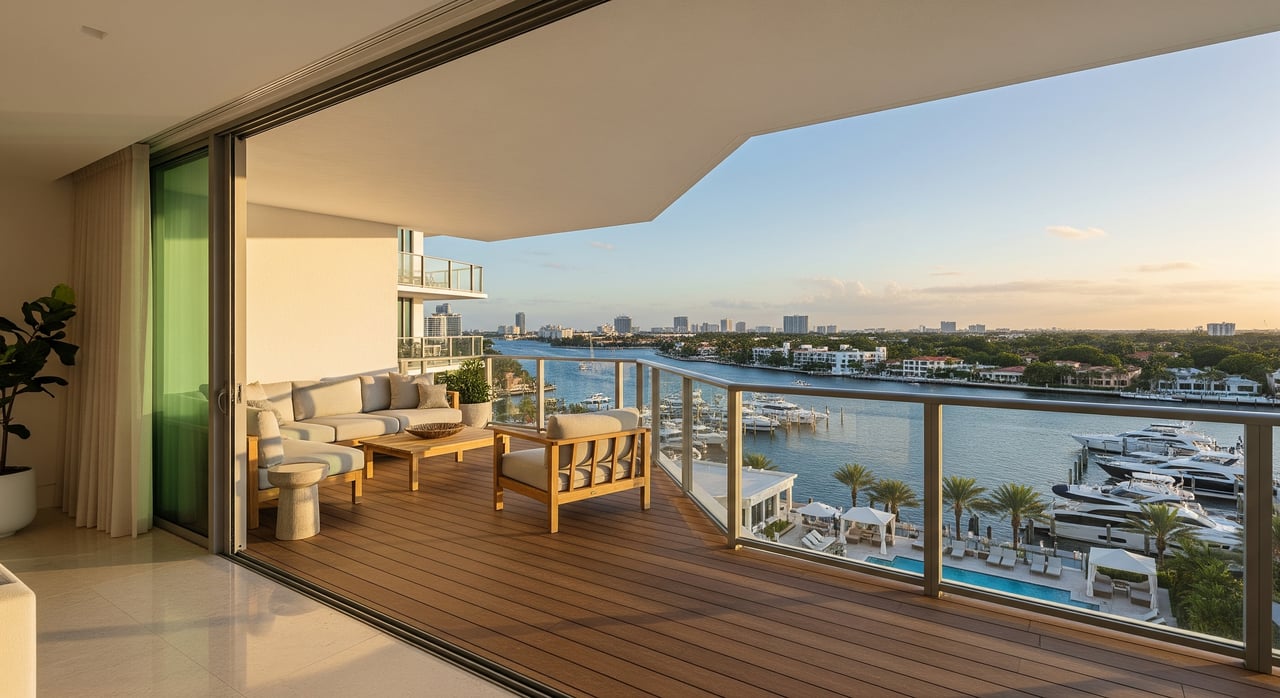
Thinking about buying a place in Fort Lauderdale to run as a vacation rental? The returns can be strong, but the rules are layered and can change fast. You need clarity on city licensing, county taxes, state requirements, and any condo or HOA limits before you underwrite a deal. In this guide, you’ll learn what to check, who to call, and how to model compliance costs so your numbers hold up. Let’s dive in.
How short-term rental rules work
Short-term rentals in Fort Lauderdale are governed at three levels. The City sets local land use, licensing, inspections, and enforcement. Broward County administers tourism-related taxes and countywide rules. The State of Florida handles state tax registration and regulates condominium and HOA laws.
Condo and HOA documents can limit or prohibit short stays, subject to Florida law. Always obtain and review the declaration, bylaws, and rules for rental minimums, approvals, and fines before you rely on short-term income.
Fort Lauderdale requirements to verify
Every property is different. Use this checklist of local categories to confirm what applies to the exact address.
Business license and registration
- Check whether a local business tax receipt or specific short-term rental registration is required for your address.
- Ask if a registration number must be issued and displayed on listings. If yes, build it into your listing template.
Zoning and land use
- Verify that transient lodging is permitted for the parcel and property type. Some residential zones restrict nightly rentals or require special approvals.
- Watch for overlay districts near the beach, downtown, or historic areas where use, occupancy, or parking rules can be tighter.
- Request written confirmation when possible, such as a zoning verification letter from City Planning.
Safety and inspections
- Many cities require life-safety items: smoke and CO detectors, a fire extinguisher, posted emergency contacts, and clear egress for sleeping areas.
- Determine whether an initial inspection or annual reinspection is required and how to schedule it.
Occupancy, parking, and nuisance rules
- Occupancy limits are often based on bedrooms or square footage. Know the cap and post it for guests.
- Confirm parking minimums, on-street restrictions, and whether neighborhood permits are needed.
- Review local noise and nuisance codes, including quiet hours and rules for amplified sound.
Listing disclosures
- Some cities require you to display a local registration number, emergency contact, and maximum occupancy in your online ads. Ask the City if Fort Lauderdale requires these disclosures.
Enforcement and fines
- Learn how code enforcement works, including complaint procedures, fine amounts, and what triggers suspension or revocation.
- Ask about expected timelines for warnings, citations, appeals, and reinstatement.
Taxes and remittance
- Register with the Florida Department of Revenue for state sales and transient rental taxes.
- Confirm county tourist development tax requirements and filing schedules with Broward County.
- Some platforms collect certain taxes, but coverage can vary by tax type and change over time. Verify what you remain responsible for and how reporting works.
Condo, HOA, and private covenants
- Obtain the latest governing documents and any recent amendments. Confirm minimum stays, rental caps, guest registration, and fines.
- Watch for waiting periods to rent after purchase and any association approval steps for each lease or guest.
Special districts and neighborhoods
- Beachfront, Las Olas, and other core areas can have stricter enforcement and parking constraints. Contact neighborhood services or the area’s civic association to confirm if any special rules apply.
Step-by-step due diligence
Use this workflow to reduce surprises and keep your underwriting realistic.
- Verify zoning for the specific parcel with City Planning. Ask about a zoning verification letter.
- Review the condo declaration or HOA covenants, plus recent board minutes for rental policies and enforcement activity.
- Call the City’s licensing division to confirm required registrations, business tax receipts, and inspections.
- Get the safety checklist and schedule any required inspections. Budget for upgrades like detectors, signage, and egress compliance.
- Register with the Florida Department of Revenue for sales and transient rental taxes, and confirm county tourist tax filing with Broward County.
- Ask the City whether listings must display a local registration number, occupancy limits, or emergency contacts. Update your listing templates accordingly.
- Confirm parking requirements, caps on guest vehicles, and any neighborhood permits near the beach or downtown.
- Secure insurance that explicitly covers short-term rental use, and confirm lender requirements.
- Request the city’s fine schedule and suspension timelines to model potential downtime.
- If purchasing, ask the seller for historical ADR and occupancy by month, copies of registrations, inspection certificates, code-enforcement history, and tax remittance records.
Underwriting tips and risks
You want a model that holds up if rules tighten or seasons swing. Build in conservative assumptions and explicit compliance costs.
Revenue inputs
- ADR and occupancy: Use market-level data from sources like AirDNA and STR for the Fort Lauderdale area and your specific neighborhood. Model winter peaks and shoulder-season dips.
- Minimum-stay rules: If a local rule or association requires 7-night minimums, your booking mix changes. Model constrained-night scenarios so you see the impact on revenue and cleaning cadence.
- Platform and processing fees: Include typical host or payment processing fees in the 3 to 5 percent range.
Compliance and operating costs
- Registration and inspection fees: Add both upfront and annual renewals.
- Taxes: Include state sales and county tourist development taxes. Decide whether you gross up, or pass through to guests, then model accordingly.
- Insurance: Short-term rental endorsements can be higher than standard landlord policies. Use a realistic premium estimate.
- HOA and condo costs: Include association dues, guest registration fees, and potential fines for violations.
- Capex for compliance: Budget for life-safety equipment, signage, parking improvements, and any noise mitigation.
- Enforcement reserve: Add a contingency for fines, legal costs, and temporary shutdowns. A probability-weighted reserve can protect your cash flow.
Risk scenarios
- Regulatory change: Model base, restrictive, and hostile scenarios. Include a scenario where you must switch to a longer minimum stay or to long-term leasing.
- Legal disputes: HOA or neighbor disputes can cause downtime. Build in a vacancy buffer and a legal reserve.
- Insurance volatility: Premiums can rise after claims or rule changes. Run sensitivities for increases.
Documents to request from a seller
- Monthly ADR and occupancy history, ideally two to three years.
- Proof of tax registration and remittances.
- City STR registration and inspection certificates, and any past violation notices.
- Safety and condition reports, including smoke/CO detectors, egress, and fire equipment.
- Parking documentation showing space counts or permits.
Exit and valuation
- Properties with documented compliance, clean code history, and transferable systems tend to price at a premium.
- Lender constraints vary. Some lenders limit STR collateral or require owner occupancy periods. Confirm early so financing aligns with your plan.
Neighborhood and property type insights
Fort Lauderdale is not one-size-fits-all. Revenue potential, operating friction, and enforcement patterns vary by submarket and property type.
- Beachfront and Fort Lauderdale Beach: Higher ADR and strong seasonality, paired with tighter enforcement and parking constraints. Expect heavier oversight and strict nuisance rules.
- Las Olas and Downtown: Premium urban demand from events and business travelers. Watch signage rules, occupancy, and after-hours noise sensitivity.
- Inland neighborhoods like Victoria Park, Rio Vista, and Coral Ridge: Single-family homes can be operationally simpler than condos, but neighborhood associations often push for strict parking and quiet hours. Confirm local expectations.
- Condominiums: Commonly the most restrictive. Verify minimum rental periods, rental caps, guest registration, and any post-purchase waiting periods before renting.
- Newer multifamily geared to STRs: Some buildings are designed with STR operations in mind, which can reduce friction and centralize compliance.
Operations and enforcement
Most enforcement is triggered by neighbor complaints. A well-run operation reduces risk and downtime.
- Use a 24/7 local contact number and respond quickly to noise or parking issues.
- Set clear house rules and require guest acknowledgment for occupancy, quiet hours, and trash.
- Install appropriate safety equipment and keep documentation accessible in a property binder with evacuation routes and local contacts.
- Keep listings current with any required registration numbers and occupancy caps. Cities often coordinate with platforms to remove noncompliant listings.
- If you operate in a condo or HOA, maintain good records and open communication to avoid disputes.
Put it together: build compliance into your returns
Winning STR investments in Fort Lauderdale come from compliance-first underwriting. Verify zoning by parcel, confirm association rules, budget for inspections and insurance, and model taxes, fees, and downtime reserves. Use conservative ADR and occupancy assumptions and plan for minimum-stay constraints.
If you want help sourcing, vetting, and underwriting properties in northern Broward and coastal Palm Beach, we combine local deal flow with valuation rigor. Connect with The JM Phillips Group for a compliance-forward acquisition plan and a clear view of risk and return.
FAQs
What agencies regulate Fort Lauderdale short-term rentals?
- The City manages zoning, licensing, inspections, and enforcement, Broward County handles tourist taxes, and the State manages sales and transient rental tax registration and condo/HOA statutes.
Where do I register for Florida rental taxes?
Can my condo association stop short-term rentals?
- Often yes, depending on the governing documents and Florida statutes. Always obtain and review the condo declaration and rules before you buy.
Does Fort Lauderdale require inspections for STRs?
- Many cities require life-safety compliance and inspections, so contact the City’s licensing or permitting team via the City of Fort Lauderdale website to confirm current requirements.
Do booking platforms collect all my taxes for me?
- Coverage varies by platform and tax type and can change over time. You should still register and verify what you must collect, remit, and report.
What are the biggest revenue risks for Fort Lauderdale STRs?
- Regulatory changes, HOA restrictions, enforcement-related downtime, and seasonality are the most common risks. Model conservative scenarios and include a contingency reserve.