
What Is a 55+ Community in Lake Worth?
January 15, 2026
January 15, 2026
Are you picturing a low-maintenance home in Lake Worth where your days are filled with pickleball, pool time, and a built-in social circle? If you are exploring 55+ communities for the first time, it can be hard to sort out what is marketing and what is real. This guide breaks down what “55+” legally means, what it costs to own in Palm Beach County, how to read HOA rules, and how to decide if this lifestyle fits your goals. Let’s dive in.
Under the federal Housing for Older Persons Act, a 55+ community must have at least 80% of occupied homes with one resident age 55 or older. Communities that meet this standard can legally adopt age-restriction policies that limit occupancy by younger households. You will typically be asked to provide age documentation or sign an affidavit to help the association verify compliance.
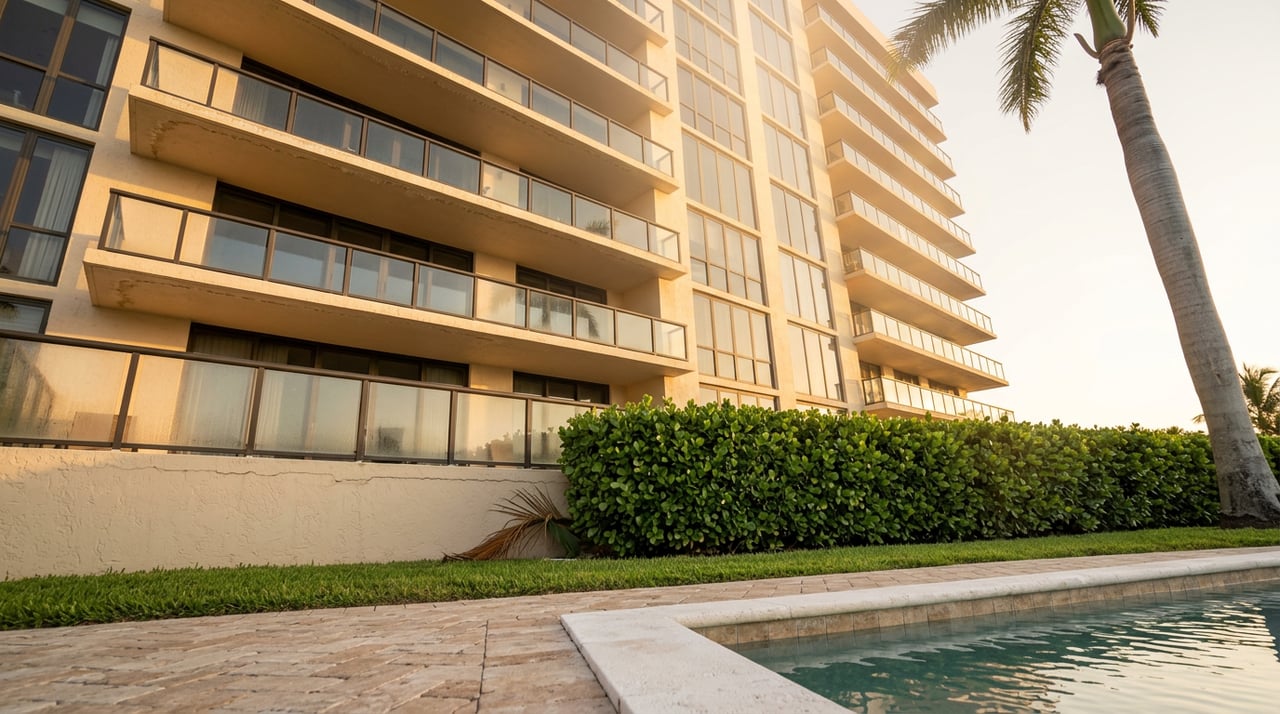
In Lake Worth and across Palm Beach County, 55+ neighborhoods can be set up as condominiums, homeowner associations for single-family or villa homes, cooperatives, or age-restricted manufactured-home parks. Each structure has different rules, fees, and owner responsibilities.
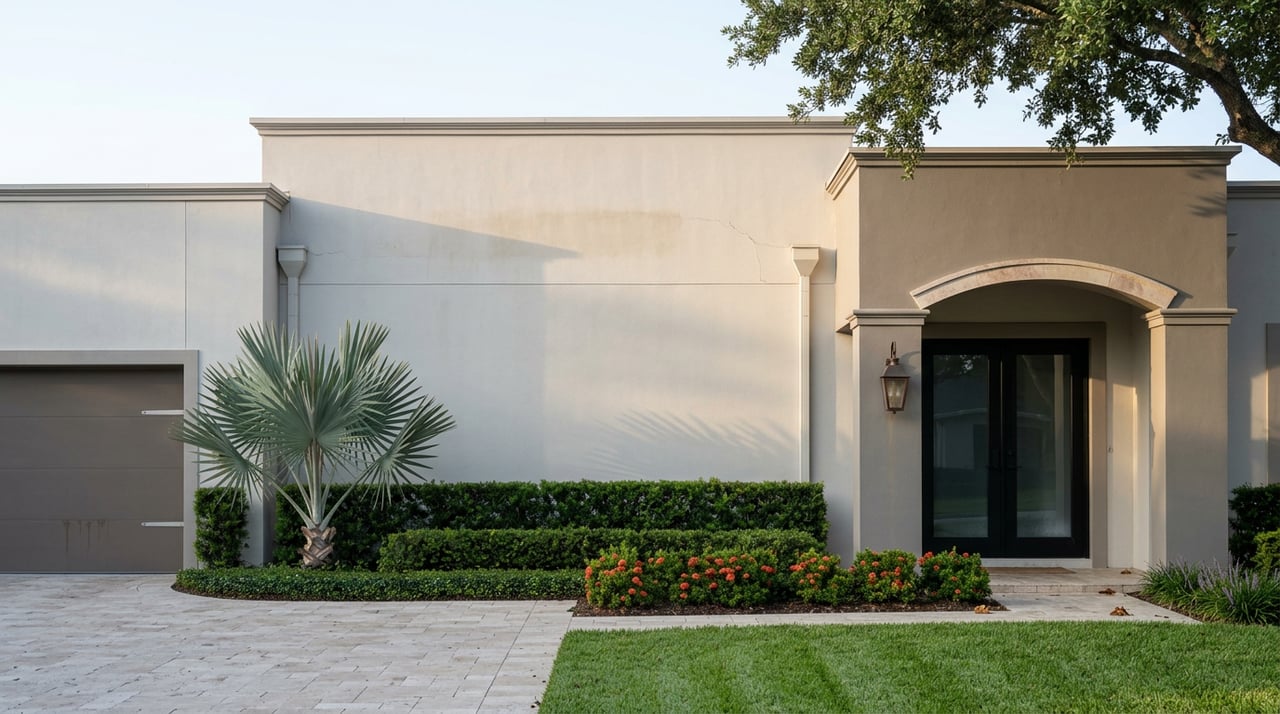
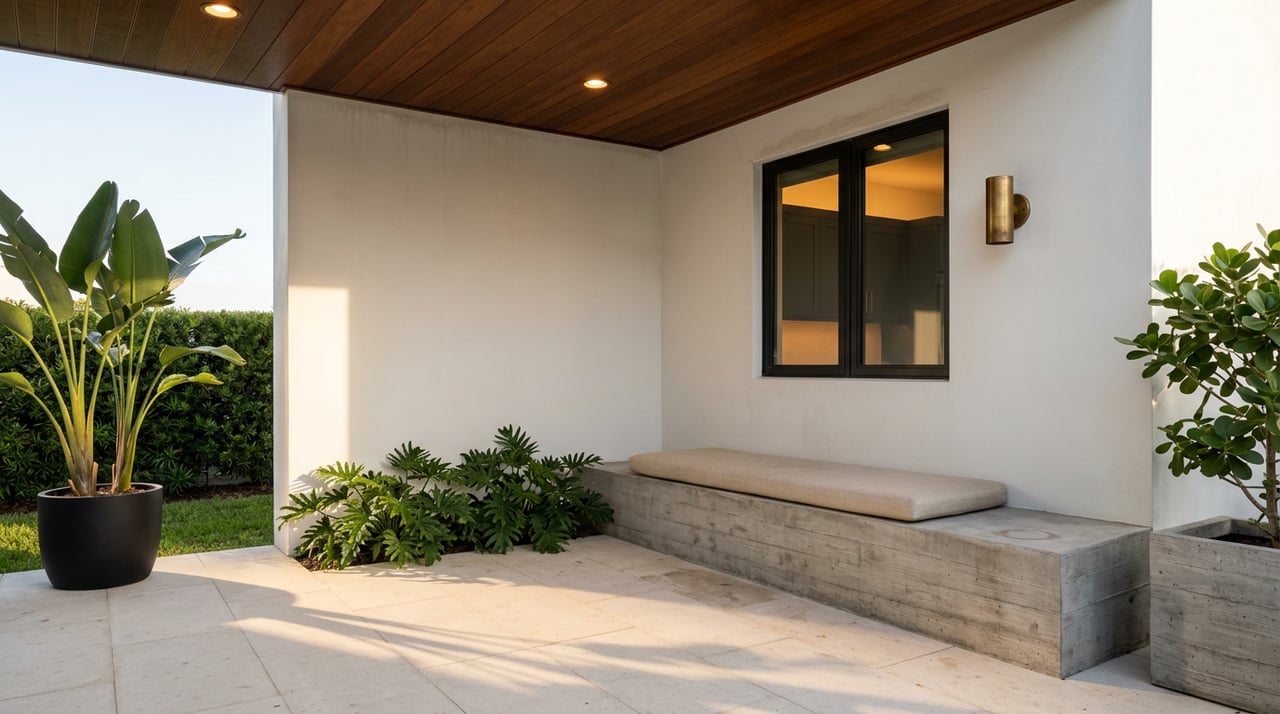
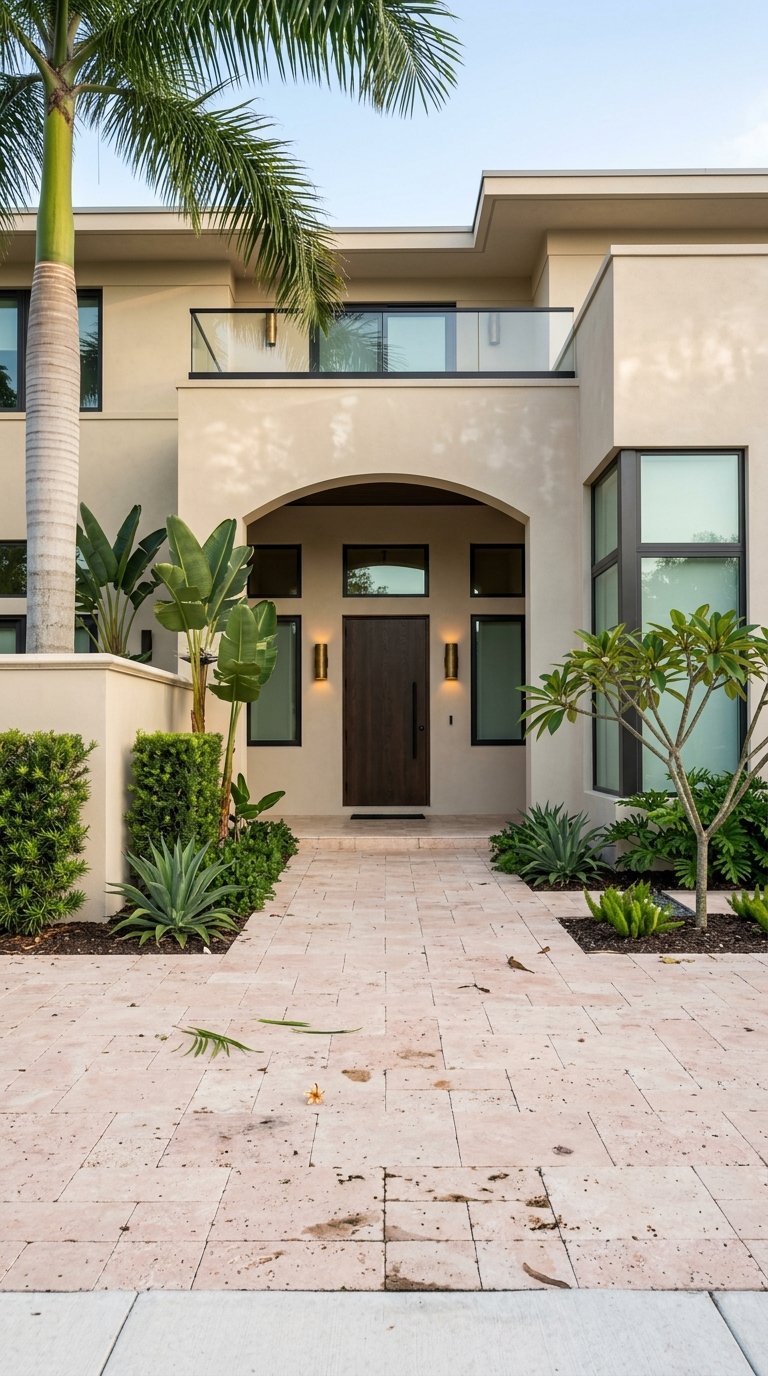
You will find a wide range of housing styles in local 55+ communities:
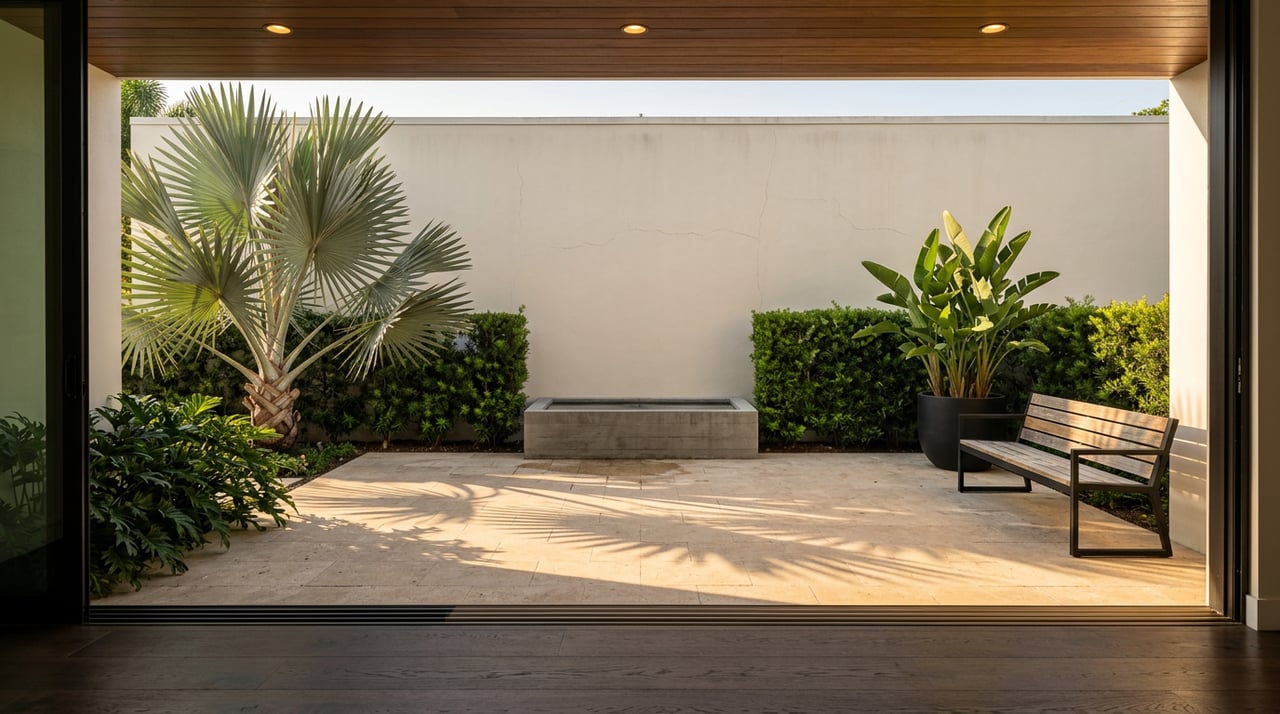
Amenity packages vary from basic to resort-like. Many Lake Worth area communities include some mix of:
Seasonal rhythms matter. Many Palm Beach County 55+ communities are most active from November through April when seasonal residents are in town, which can influence class schedules, events, and staffing.
Your total monthly cost depends on more than your mortgage. In South Florida’s 55+ communities, four factors drive the budget: HOA or condo fees, reserves and assessments, insurance, and property taxes. Utilities and services can also shift costs up or down.
Monthly assessments cover common-area upkeep, amenities, management, and insurance for shared property. Fees can also include items like lawn care, cable, internet, or alarm monitoring. Costs vary with:
High-amenity or full-service buildings tend to have higher fees, while smaller associations with limited amenities are often lower. Always confirm the current fee and what it covers by reviewing the association budget when you are under contract.
Reserves are savings for big-ticket items like roofs, elevators, pavement, and painting. Well-funded reserves reduce the risk of large special assessments. Before you buy, ask to review:
In Florida, associations must follow specific disclosure rules for budgets and financial reporting. Reviewing these documents early helps you gauge long-term affordability.
Florida’s wind and hurricane exposure can make insurance a major expense. If you are buying a condo, the association’s master policy usually covers common areas and some portion of the building structure. Owners typically insure interiors and contents. If you are buying a villa or single-family home, you will carry your own property policy.
Flood insurance may be required or recommended depending on the property’s flood zone. Ask for clarity on:
Florida has no state income tax. For your primary residence, Florida’s homestead exemption can reduce your property tax bill. Seasonal buyers who keep primary residency elsewhere usually do not qualify. Actual tax amounts depend on the property’s assessed value and local millage rates in Palm Beach County.
Some associations include water, sewer, basic cable, or internet, while others bill those separately. Many 55+ condos and villas include exterior maintenance and landscaping, which reduces your workload but can increase monthly fees. Some communities also offer seasonal property checks or other services tailored to snowbirds. Confirm details before you buy.
Think of the association as a small business you are buying into. The documents and financials tell the story of how it is run.
If you want a simpler lifestyle, a 55+ community can remove the burden of exterior upkeep while adding a full calendar of activities. You gain predictability with monthly fees and on-site amenities. Make sure the fee plus taxes and insurance fit your long-term budget and that the floor plan meets your accessibility needs.
Snowbirds often find 55+ communities ideal because programming peaks in winter, and many associations support lock-and-leave living. If you plan to rent your home part of the year, review the rental policy closely. Check owner insurance requirements for extended vacancy and confirm whether the association or a professional caretaker offers periodic property checks.
Your best next step is to align your budget, lifestyle goals, and timing with the right list of communities, then review association documents before you write an offer. If you are comparing condos vs villas, or deciding between higher fees with more services vs lower fees with fewer amenities, a valuation-led approach can help you weigh tradeoffs clearly.
If you want a short list of Lake Worth and nearby 55+ options that match your price range and must-haves, reach out to The JM Phillips Group. We pair local neighborhood knowledge with disciplined, document-driven guidance so you can buy with confidence.
Ready to explore? Connect with the team at The JM Phillips Group for a curated tour list and an organized path from first showing to closing.
Stay up to date on the latest real estate trends.

Whether you're buying or selling, our expert team is here to guide you every step of the way.