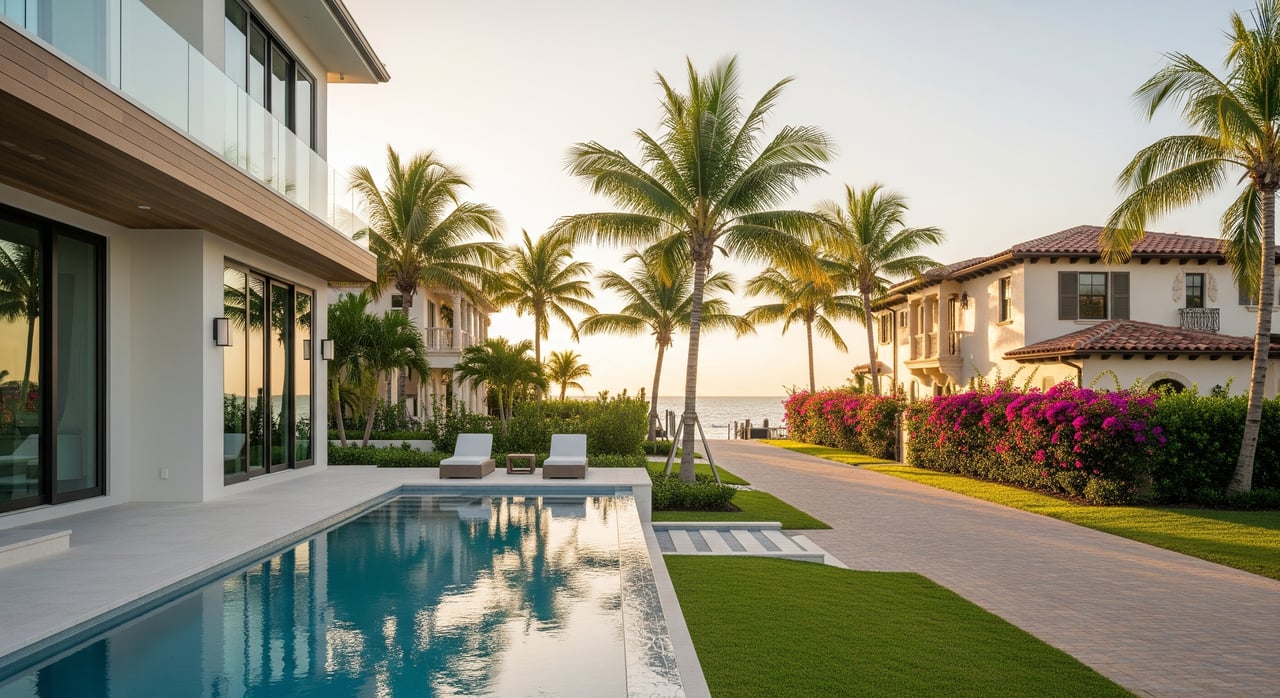
New Construction vs Resale in Boynton Beach
December 18, 2025
December 18, 2025
Trying to decide between a brand-new build and a resale in Boynton Beach? You are not alone. The right choice comes down to total cost, timing, and how you want to live day to day. In this guide, you will see how price, HOA fees, insurance, warranties, and timelines compare in our coastal South Florida market so you can move forward with clarity. Let’s dive in.
New construction often starts at market or above, especially in amenity-rich communities. Builders may limit price negotiation, yet adjust with options or promotions based on inventory. Resales tend to offer more room to negotiate, depending on condition, days on market, and seller goals.
New builds can include deposits across milestones, lot premiums, and upgrade packages. Builders sometimes contribute to closing costs or offer rate incentives through preferred lenders. Resales follow standard closing costs, with potential seller credits if inspections reveal issues.
New master-planned communities with clubhouses and staffed amenities often carry higher monthly fees to fund operations and reserves. Established associations vary by amenities and reserve strength, and older condos may face higher fees if major projects are pending. Review the budget, reserve study, meeting minutes, and any history of special assessments before you commit.
New construction is generally reassessed at completion, which can set a higher taxable value than older resales. Some communities also have special district assessments that add recurring costs. You should confirm millage rates, assessed value, and any recorded assessments before you finalize your budget.
New builds usually have lower near-term maintenance and better energy performance. Most big-ticket items are new, which reduces repair risk in the first years. Resales can offer strong value, but older roofs, HVAC, or water heaters may need capital replacements in the near term.
Homes built under recent Florida Building Code cycles typically include impact-rated windows, tighter building envelopes, and efficient HVAC systems. These features can lower utility costs compared to older homes. When possible, request recent utility bills to compare actual usage.
New construction can carry a premium for design and efficiency, though some early depreciation may occur as a community stabilizes. Resale value depends on location, lot, and renovation quality. Established neighborhoods with mature landscaping and convenient access to services tend to hold value well.
New construction can take several months to over a year, depending on build stage, permits, and weather. Hurricane season and subcontractor availability can introduce delays. Resales typically close in 30 to 60 days with financing, while cash deals can close faster.
New builds may involve construction-to-permanent loans, builder mortgage programs, or standard loans on completed spec homes. Construction loans often require higher down payments and interest-only payments during the build. Resales follow conventional, FHA, or VA timelines with common appraisal and inspection contingencies.
Appraisers on new construction weigh comparable new sales and adjust for upgrades and incentives. Limited comps can be a factor in fast-changing areas. Resale appraisals rely on neighborhood comparables, and unique upgrades may or may not appraise at their full cost.
Builders sometimes limit inspection windows or rely on a standard walk-through process, but independent inspections are still recommended. Resales typically include a full inspection period plus targeted inspections for roof, pest, pool, or seawall when relevant. Clarify remedies for punch-list items and how issues are handled in writing.
Common incentives include closing cost credits, rate buydowns, and upgrade packages. Promotions may focus on inventory homes or specific lots. Always verify incentive terms, lender requirements, and expiration dates.
Look at net cost, not just list price. Compare the contract price minus incentives against a resale’s negotiated price plus projected repairs and fees. Consider timing, holding costs, and risk of delays when you tally total cost of ownership.
Use inspection findings to request credits, repairs, or price adjustments. Flexibility on timing, such as rent-backs when allowed, can strengthen your position on price.
Many builders offer tiered warranties, such as one year for workmanship, two years for systems, and longer coverage for structural defects. Always get the warranty in writing, review exclusions, and confirm transferability and claims steps. Keep manufacturer warranties for appliances and equipment.
New homes must meet the Florida Building Code in effect at permitting, which has strengthened after major storms. Features such as impact glass, improved connections, and hurricane straps improve durability. Confirm what code cycle applies and ask about wind and flood-resistant details.
For new builds, schedule inspections at key milestones such as pre-drywall and final walk-through. For resales, hire inspectors familiar with moisture, stucco, termite, HVAC under high humidity, and pools. Waterfront buyers should assess seawalls and shoreline conditions.
Salt-air corrosion can accelerate wear on exterior metals and fixtures. Roofing materials weather differently in our climate, so confirm roof age and expected life. On waterfront parcels, confirm permits and maintenance history for seawalls or bulkheads.
You may need homeowners coverage, wind or hurricane coverage, and a separate flood policy. Wind coverage and hurricane deductibles are common in our area. Verify coverage for pools, fences, and detached structures.
Boynton Beach includes properties both inside and outside FEMA flood zones. Elevation and finished floor height can influence flood premiums and coverage. Request an elevation certificate when needed and understand how lot grading affects runoff.
The insurance market has been volatile in recent years, and some owners use Citizens as an insurer of last resort. Newer homes with compliant roof systems, impact glass, and proper connections may qualify for wind mitigation credits. Premiums also reflect property age, loss history, and specific mitigation features.
Impact windows and doors, roof covering type, and continuous load paths often reduce premiums. Ask insurers how a home’s features influence credits. Confirm deductible amounts for hurricane and flood events when you compare quotes.
For resales, review current insurance declarations and any claim history. For new builds, confirm insurability at completion and any builder requirements. Check for prior flood or wind claims at both the property and association levels.
| Category | New Construction | Resale |
|---|---|---|
| Purchase price | Often at or above market with limited price negotiation | More room to negotiate based on condition and timing |
| Up-front costs | Deposits, lot premiums, and upgrade packages; possible builder credits | Standard closing costs; potential seller concessions |
| HOA/COA fees | Often higher with robust amenities and early reserve building | Varies by amenities and reserve strength; older condos may face projects |
| Property taxes | Reassessed at completion, often setting a higher taxable value | May benefit from existing assessed value until sale triggers reassessment |
| Timeline | Several months to 1+ year, subject to permits and weather | Typically 30–60 days with financing, faster with cash |
| Incentives | Closing cost help, rate buydowns, upgrade promotions | Credits or price adjustments tied to inspection findings |
| Warranties | Tiered builder coverage for workmanship, systems, structure | No builder warranty; rely on inspections and service records |
| Insurance | Often eligible for wind mitigation credits | Premiums vary with age, roof, and features; credits possible |
| Maintenance | Lower near-term repairs; newer systems and materials | Potential near-term capital items like roof or HVAC |
| Resale value | Modern design and efficiency; initial premium may soften | Value driven by location, lot, and quality of updates |
Build a simple worksheet that includes:
Choosing between new construction and a resale in Boynton Beach is a financial and lifestyle decision. Focus on total cost, not just the sticker price, and factor in insurance, HOA strength, warranties, and timing risks. If you want a clear, valuation-led comparison tailored to your goals, talk with The JM Phillips Group. Our team pairs neighborhood insight with disciplined analysis so you can buy with confidence.
Stay up to date on the latest real estate trends.

Whether you're buying or selling, our expert team is here to guide you every step of the way.